Kayaking in Nyc: How New York Became a Paddling City
Best for: Environmental stewardship, history of the Hudson River, and local community-focused blogs.
🌊 The Quick Skim
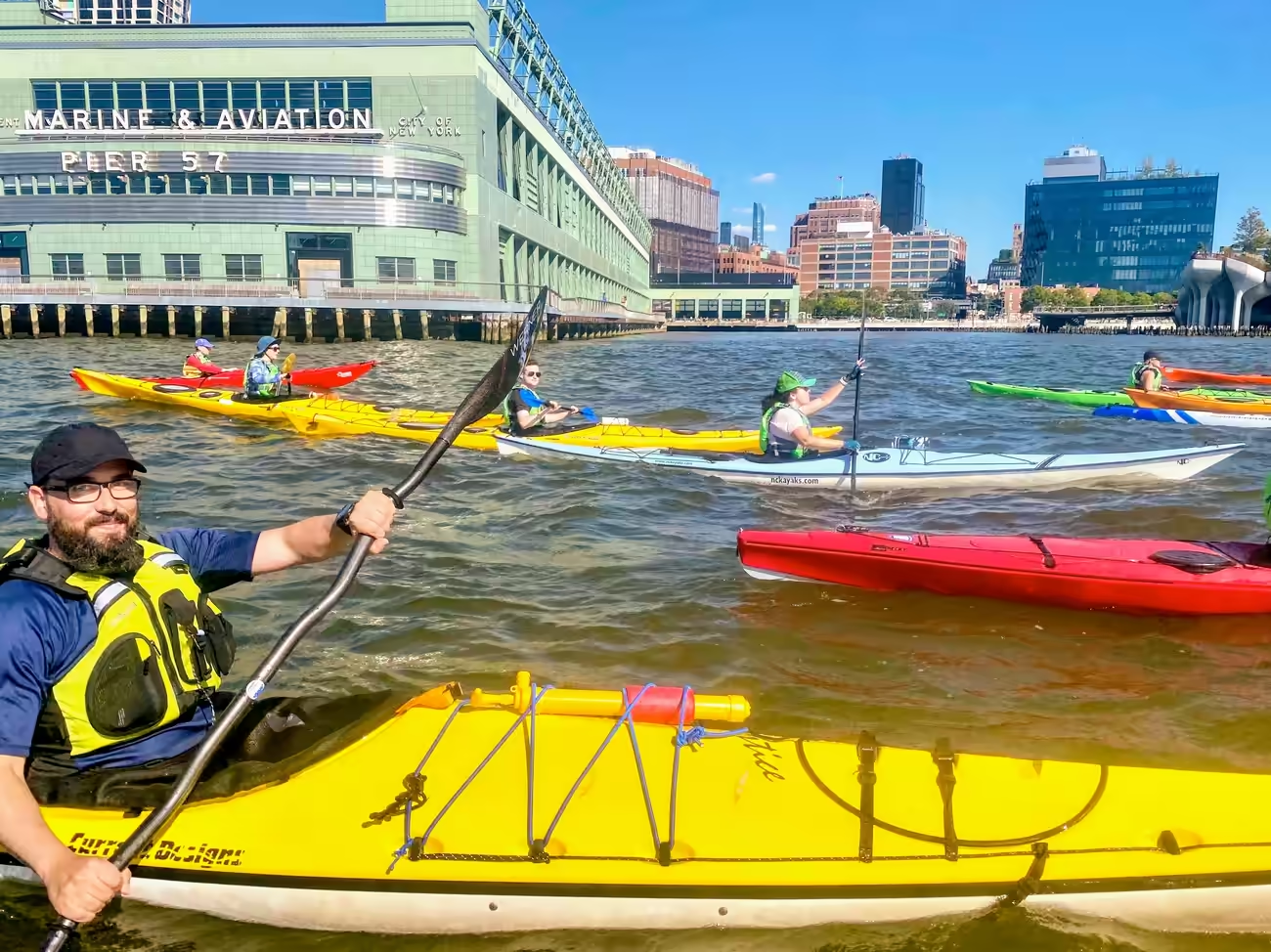
While lingering 1960s myths cause some landlocked New Yorkers to mistakenly think of the Hudson River as an industrial wasteland, the modern reality—forged by decades of strict environmental stewardship and robust river keeping—is that these waters have quietly transformed into Manhattan’s ultimate, vast, vibrant outdoor wellness activity venue Over the last 30 years, we and our fellow waterfront organizations have safely put literally a million everyday New Yorkers on this river with zero medical horror stories, proving that the absolute greatest fitness secret in the five boroughs is completely clean, thriving, and ready for you. The Dolphins, Whales Seals and Eagles too! Come discover the therapeutic benefits of being on the water this year with us, or at any of the free kayaking locations. Then, learn how to paddle with proper full body technique with us, and unlock the full range of fitness benefits click here to view our Weeknight Training schedule or book a Beginner Class to discover the clean, multi-intensity playground right in your backyard.
From Pristine Wilderness to Urban Adventure
NYC’s waterways have quietly undergone one of the most remarkable transformations in the world. There was a time when the idea of paddling around Manhattan sounded almost absurd, yet my dad and members of the City Island Kayak Club did it annually in the 1960s, which was the apex of the city’s maritime industrialization and pollution.
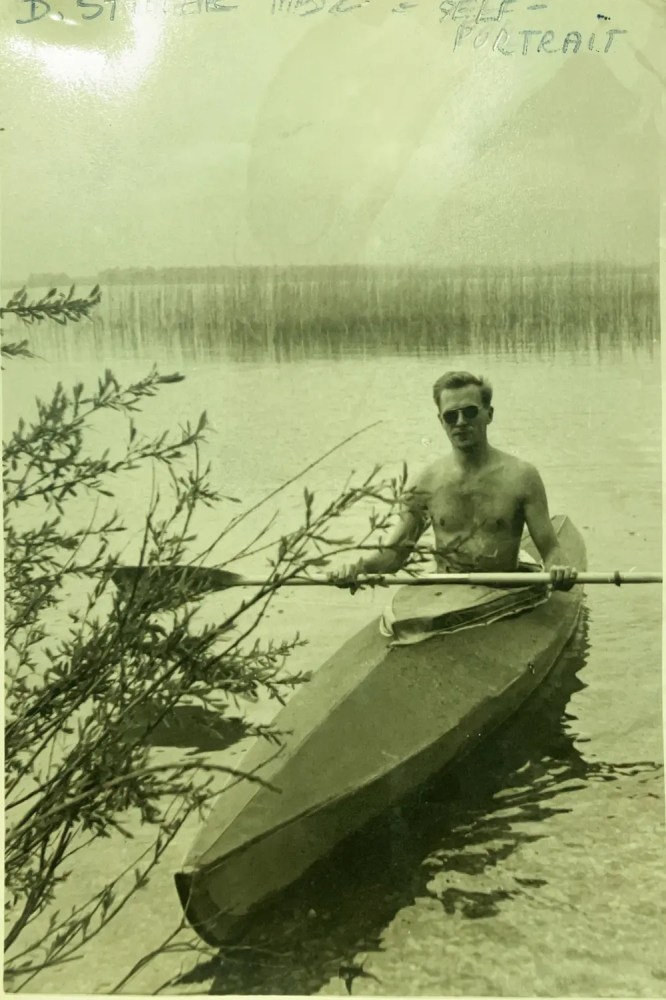
I asked my father in his later years whether he remembered the water being dirty or smelly. He said with a smile, “No. I remember what a great trip it always was. And the laughs and beer we had afterward.”
When my father, Dieter Stiller, first imported and distributed Klepper Folding Kayaks from his shop on 820 Greenwich Street, the city was centered around its working harbor. This was the late 1950s. It was commercial and gritty.
Rough places were made famous by Marlon Brando’s epic movie “On The Waterfront” inspired by Malcolm Johnson’s 1949 prize winning articles “Crime on the Waterfront” written for the New York Sun.
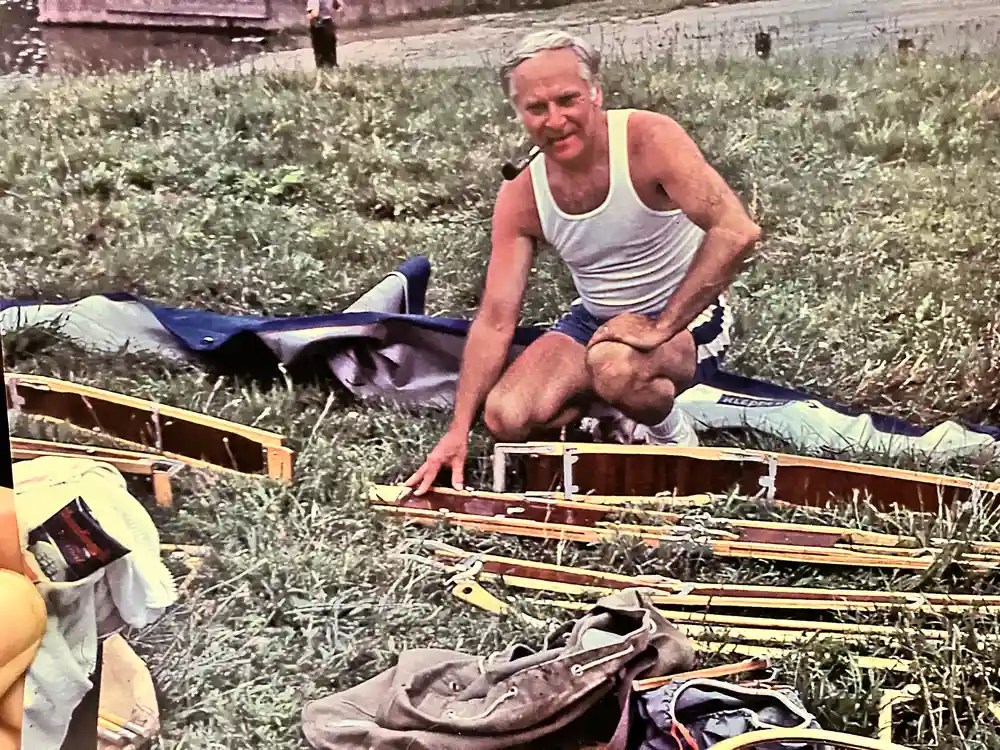
As a result, my dad would send the kayaks to people faraway in boxes. He would explain over the phone how to turn the contents of two green canvas bags into a beautiful kayak in less than 10 minutes.
His first office was a second floor walk up. When the 13-foot rigid kayaks first arrived, he needed to pull them up the side of the building and through the window.
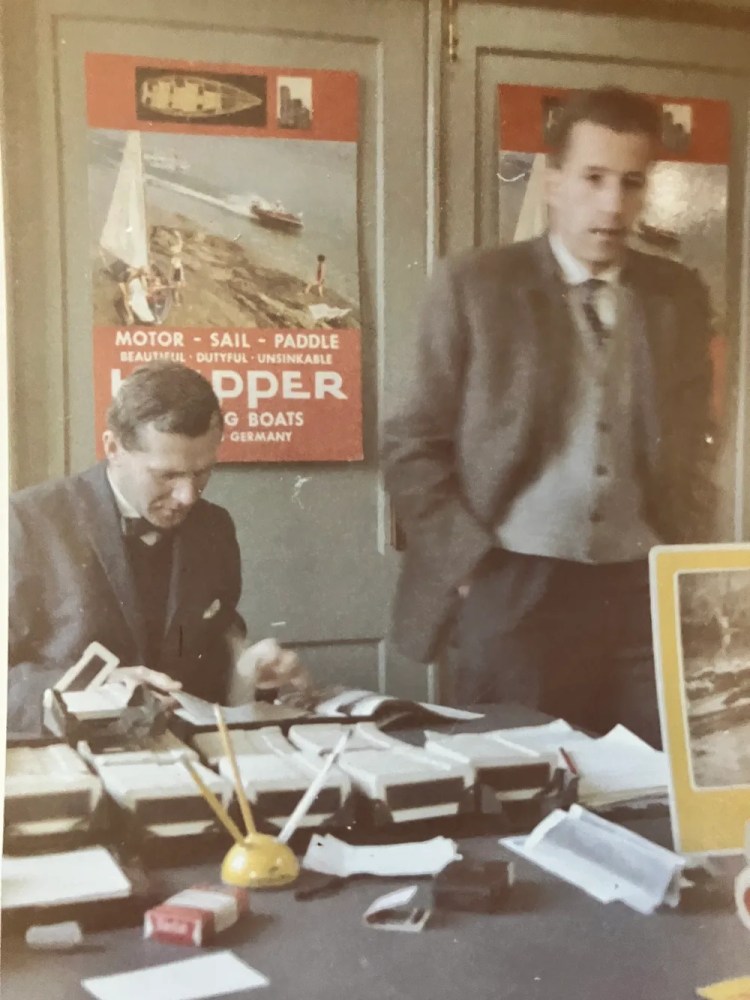
He and his colleagues moved to 35 Union Square West as the popularity of kayaking grew in the country. Invoices were filed, catalogs printed, bills paid. Dad answered every phone call cheerfully. He greeted every person who walked in the door. He built a community of paddlers, one satisfied enthusiast at a time.
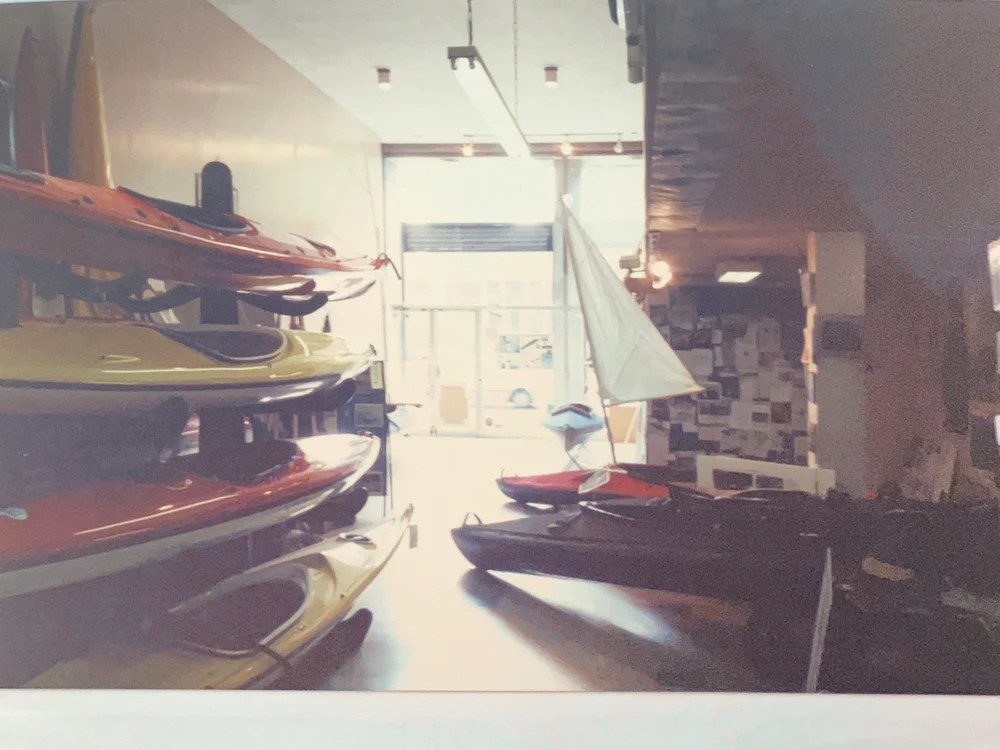
He prized his perpetually updated list of books, articles, and local clubs. This way, customers could visit the shop to learn more about kayaking, and where to do it safely and competently. He shared stories that he heard from his dealers and clients across the country. “Someone has to make sure people enjoy their boats in a timely fashion,” he’d say. My friends called him Gandalf.
The city’s waterfront got worse in the early 1970s as NYC almost went bankrupt. The heyday of famous ocean liners visiting NYC declined and hundreds of piers decayed. An era was coming to a close.
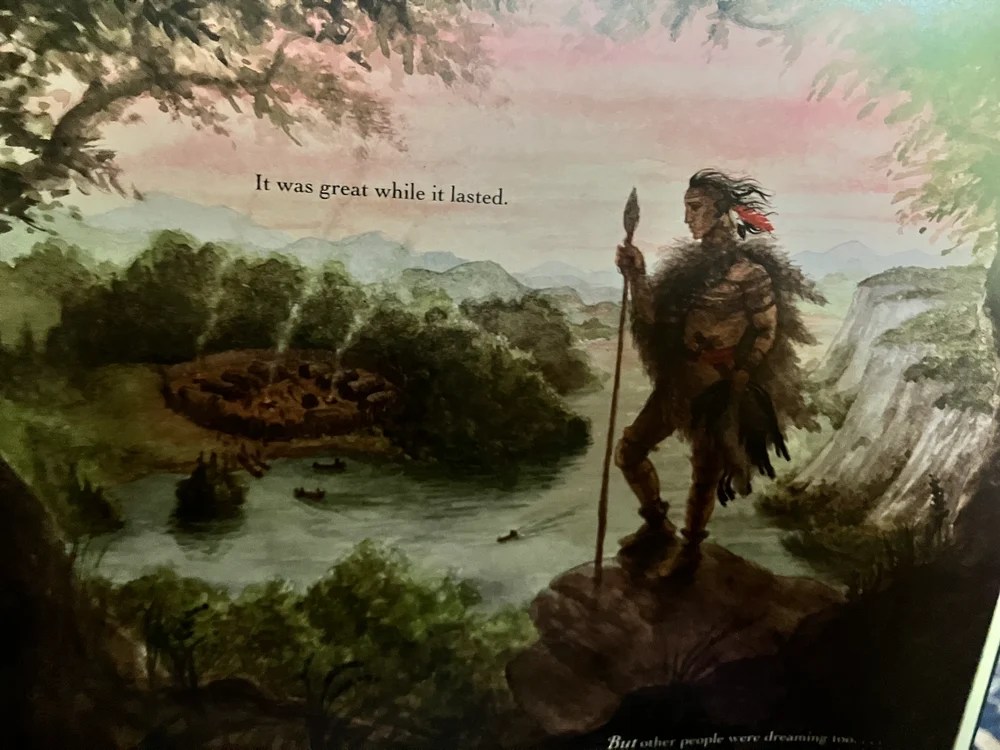
For thousands of years, this was one of the most bio-diverse estuaries on the planet. As the lore goes, there were so birds that they’d block out the sun, and so many fish you could pick them out of the water with your hands. This lore may have originated around when Henry Hudson arrived in 1609. He said: “The land is the finest for cultivation that I’ve ever in my life set foot upon.” The water was once navigated by Lenape, who used canoe routes to travel around Manahatta.
Sailing ships, steamships, ferries, barges, factories, container traffic, and dense waterfront infrastructure dominated the shoreline in just over two hundred years. New York’s waterways, including the Hudson River and the Erie Canal, created the business capital of the world. By the time my dad arrived with the kayaks, recreational access to the waterfront had become psychologically and physically out of the question.
Meanwhile, the sport of kayaking was spreading in America. My dad was importing and distributing kayaks through dozens of dealerships from Maryland to Alaska. Kayaking was joining canoeing as a primary form of paddling recreation in the United States.
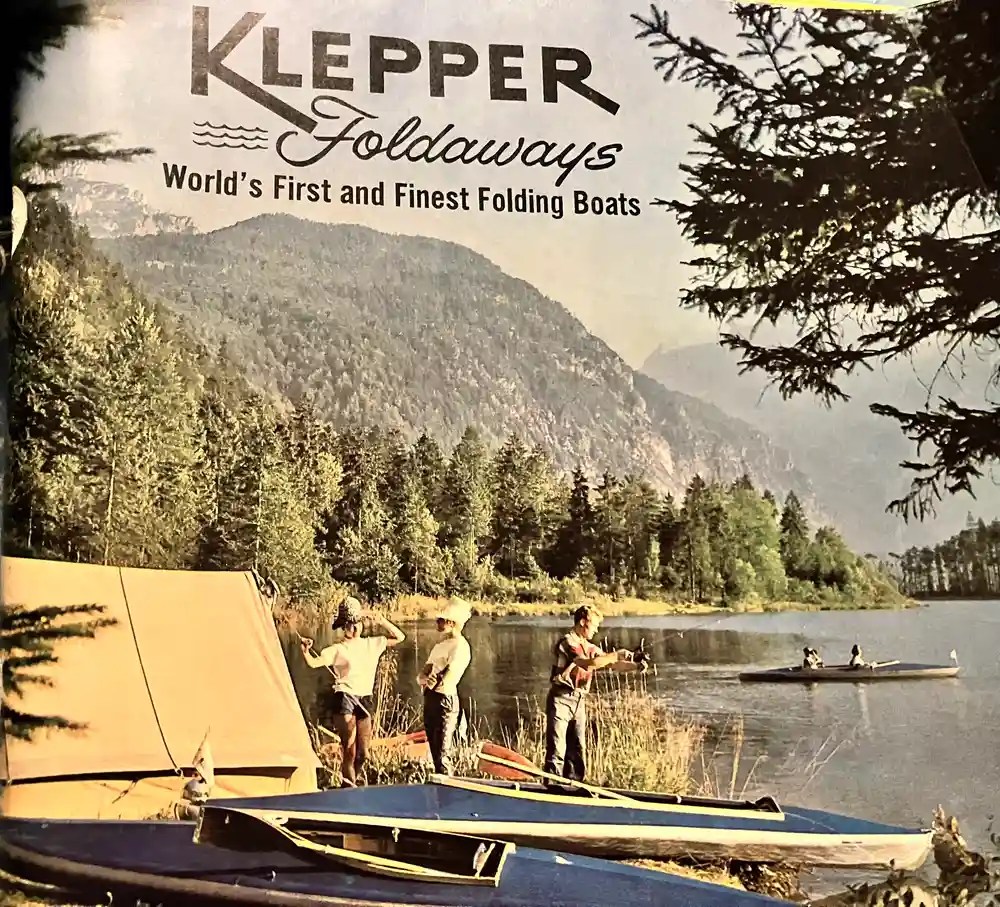
Then, a branch of kayaking became its own phenomenon along the coasts of oceans and large lakes. It was soon to be called “Sea Kayaking” by John Dowd, who had taken Klepper kayaks on a trans-Caribbean expedition from Venezuela to Miami.
It was clear that sea kayaks were superior to canoes and rowboats on open water for three reasons. First, the longer sleeker hulls and lighter weight made sea kayaks more physically appealing than canoes. Second, they rhythmically used alternating sides of the body, which mirrors natural bipedal motions like walking, running, and cycling. And on top of that, their lower profile and lower center of gravity meant superior stability in wind and choppy waters.
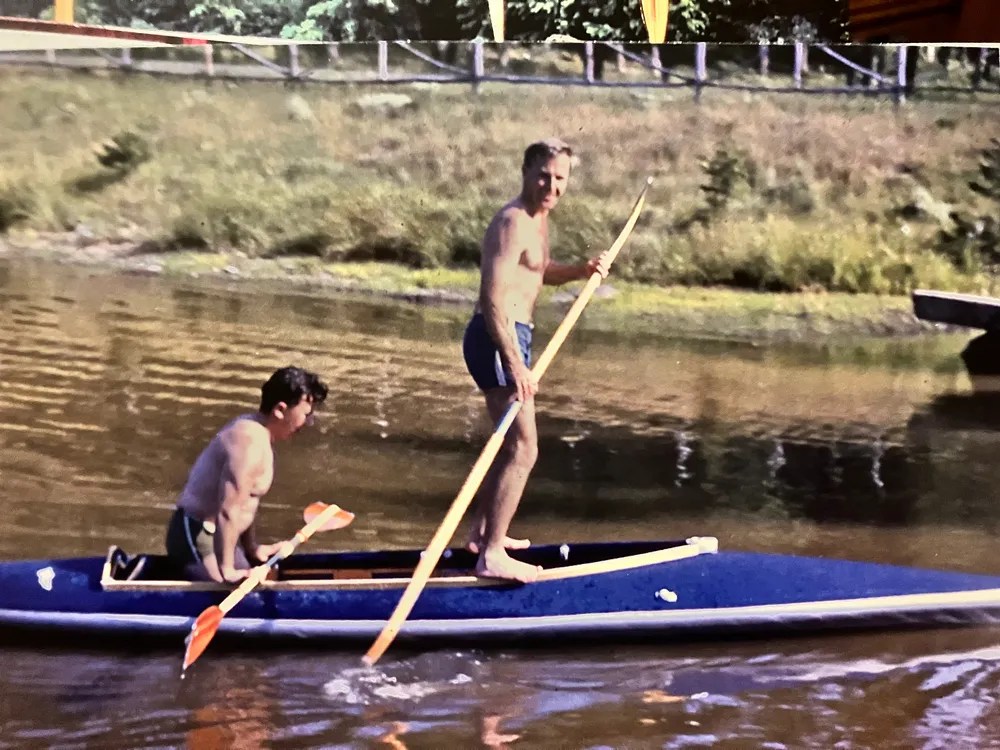
When the Madison Avenue advertising man came to visit with my dad each year, the local NYC market was low on the priority list except for an eighth-of-a-page column in the New York Times’ Sunday Magazine. It was called Go Fly a Boat and, as a result, enthusiasts came to the shop and bought the boats to go somewhere else.
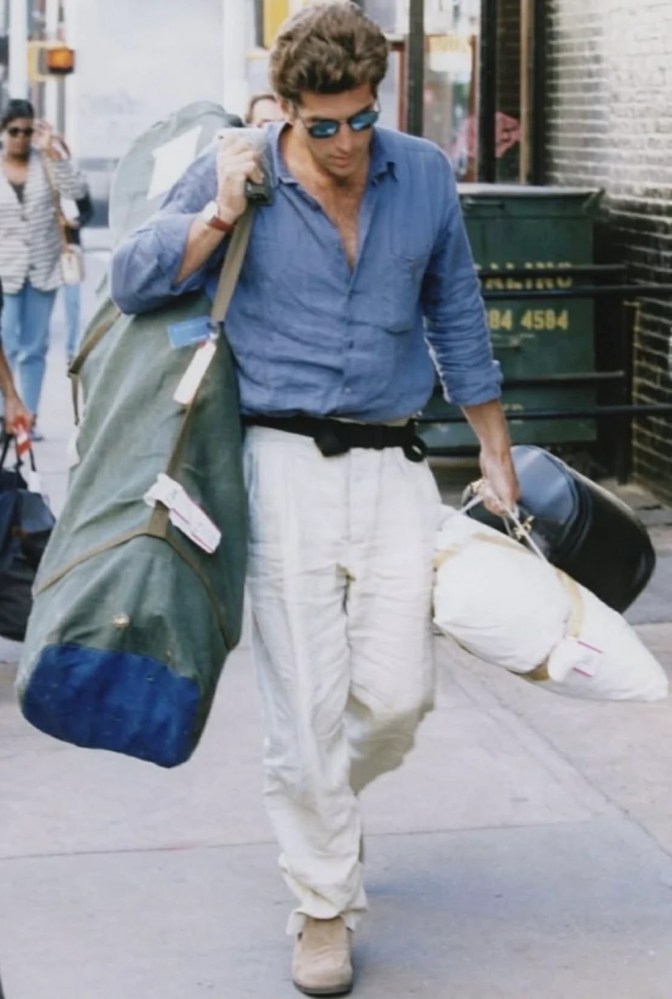
New kayak owners headed to Upstate New York, Long Island, Cape Cod, Maine, Jamaica, Alaska. They kayaked anywhere but the waters around New York City (with few exceptions like City Island or Jamaica Bay). My dad and I helped new kayak owners find nautical charts, plot their routes, contact local experts, and configure the gear and float plan they needed. Most of all, I began teaching skills by meeting up with new kayak owners. I’d drive to their own local waters, build my own Klepper, and coach them.
Then, the regional transformation began. Franny Reese founded Scenic Hudson and blocked a massive Con Edison Power Plant that would have gouged Storm King Mountain. This was closely followed by the folk singer Pete Seeger launching the Clearwater sailing sloop to educate the public about being caretakers of the Hudson River. Pete came to my dad years earlier to get his first kayak.
- 1963: Clean Air Act passed
- 1970: Environmental Protection Agency formed
- 1972: Clean Water Act passed
- 1973: National Environmental Policy passed
- 1978: Endangered Species Act passed
- 1983: Hudson Riverkeeper formed
- 1986: North River Sewage Treatment Plant online
- 1991: Hudson Valley Greenway formed
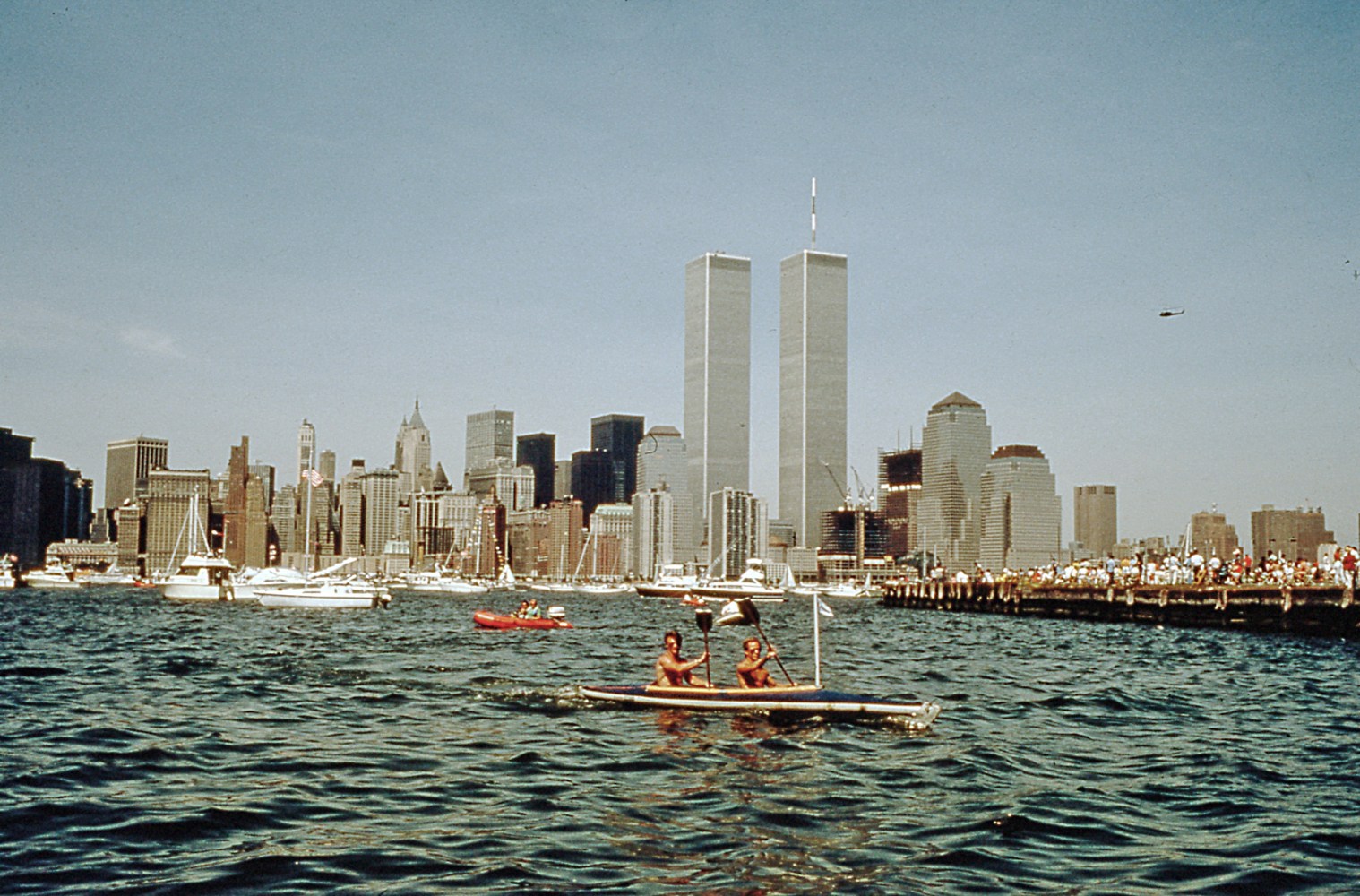
The combination of so much federal and local environmental protection revived the Hudson River and New York Harbor. The wildlife and human self-propelled recreation began returning in a big way. In lock-stop, in the mid 1980s, I started launching friends around New York Harbor and the Hudson River.
Launching was a challenge! We’d cart the kayaks from Union Square to Gansevoort Street’s garbage facility and launch over a concrete barrier along a few feet of sand.
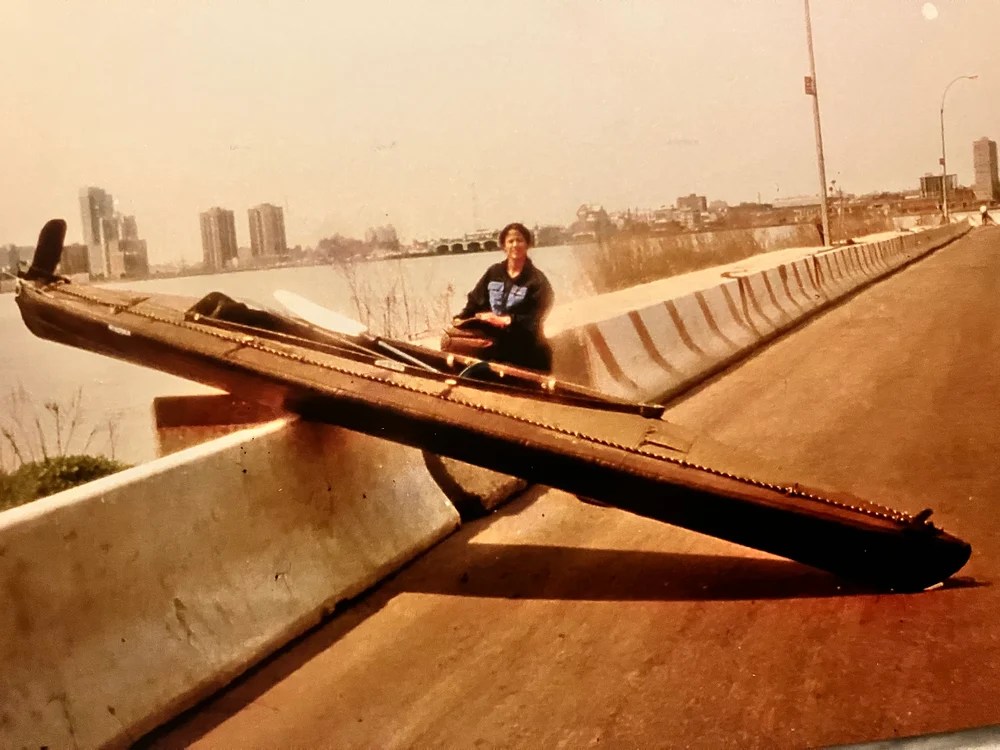
David Lee Roth regales about this on a Joe Rogen interview. We called it commando kayaking. Together, we plotted many of the kayaking routes we use today at Manhattan Kayak.
- 1989: Inwood Canoe Club (originally founded in 1902) was re-established
- 1994: Downtown Boathouse was founded
- 1995: New York Kayak Company was founded
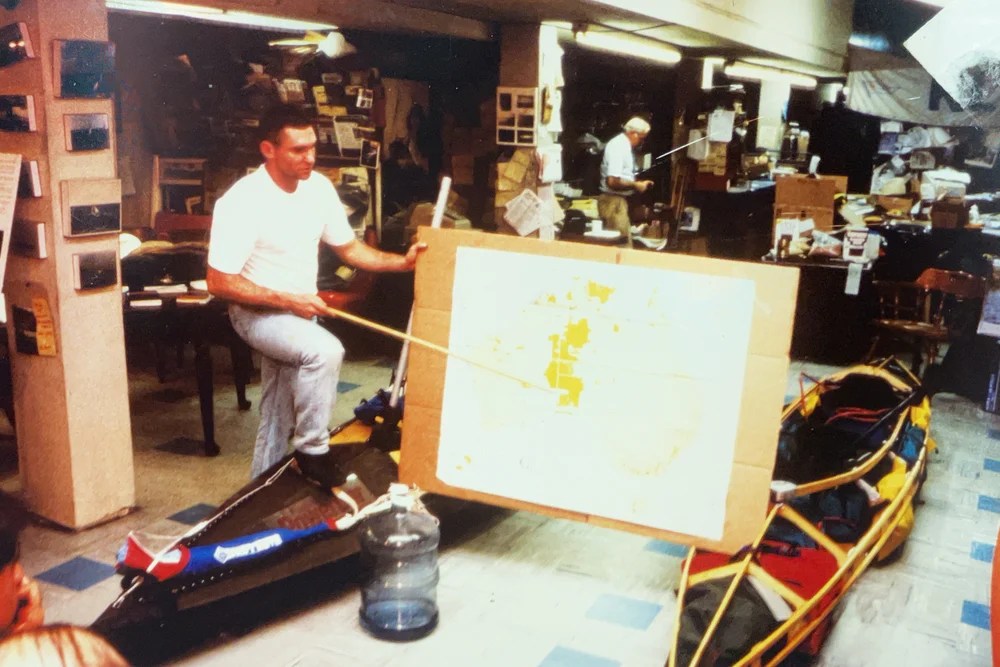
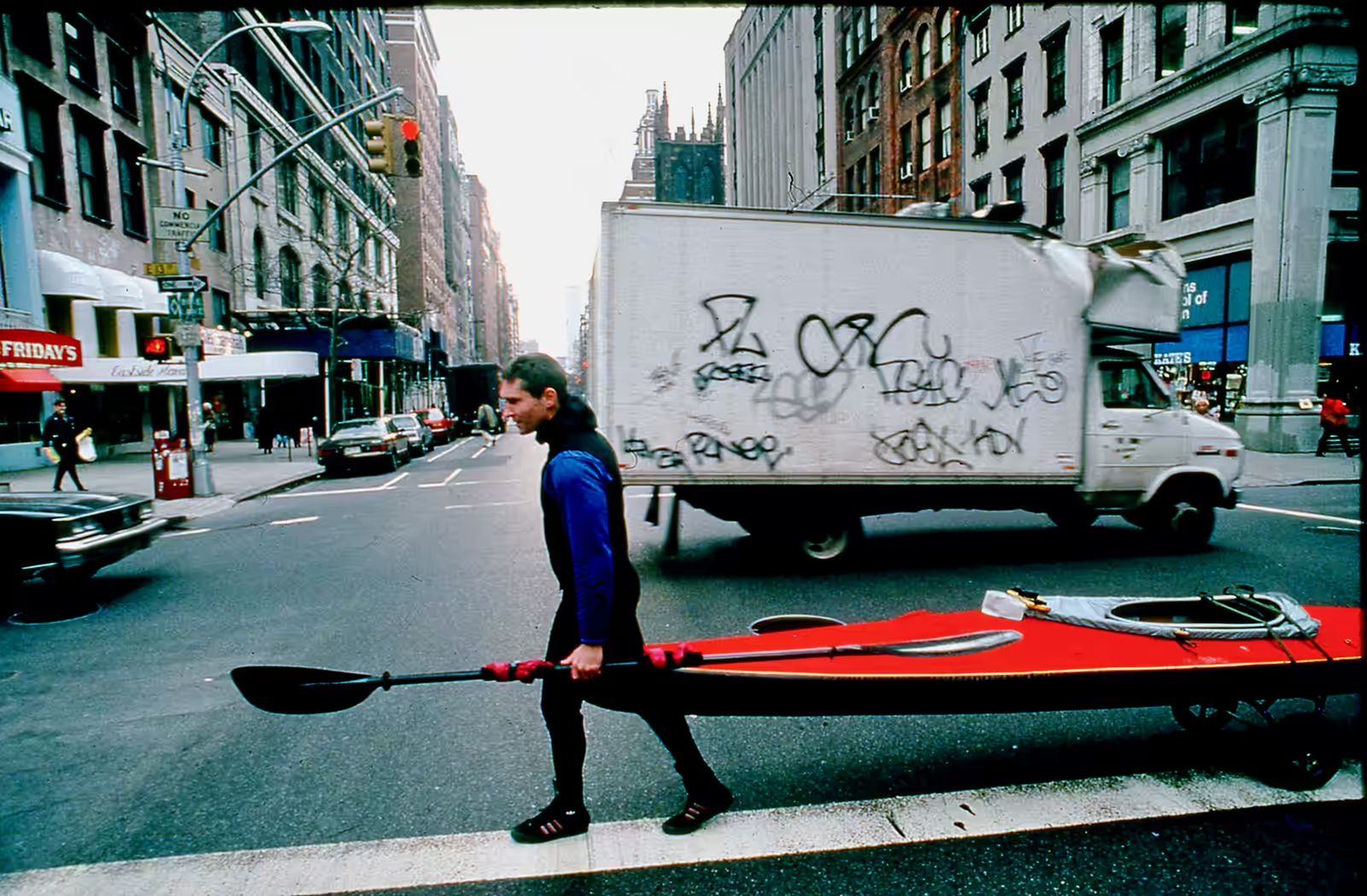
- 1996: Manhattan Kayak Company was founded at the Chelsea Piers Sports Center. Here I am below, just one year prior, taking boats from the Union Square shop to Gansevoort.
- 1996: New York Outrigger Club founded
- 1998: Hudson River Park established
- Early 2000s: NYC Parks established dozens of canoe & kayak launch sites and Hudson River Water Trail was established
- 2000s: Long Island City Community Boathouse established
- 2004: Hudson River Community Boathouse established
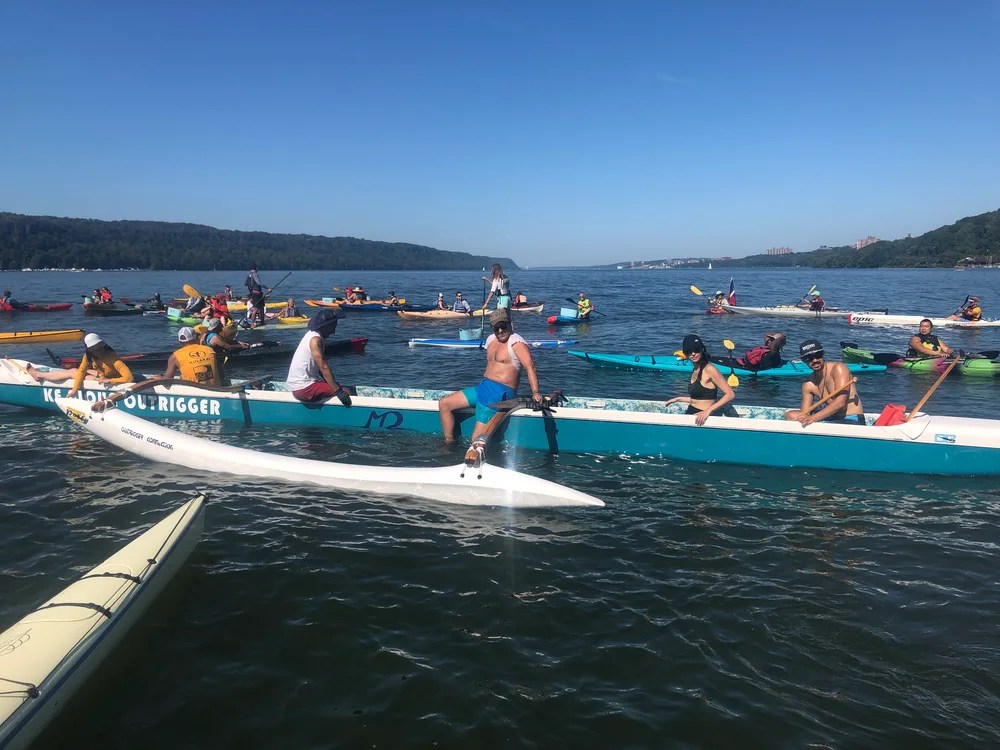
- 2008: Village Community Boathouse established
- 2010: Ke Aloha Outrigger formed
- 2010: Brooklyn Boathouse Club established
- 2013: Manhattan Community Boathouse established
- 2010s: North Brooklyn Community Boathouse established
As you can see, something miraculous happened here!
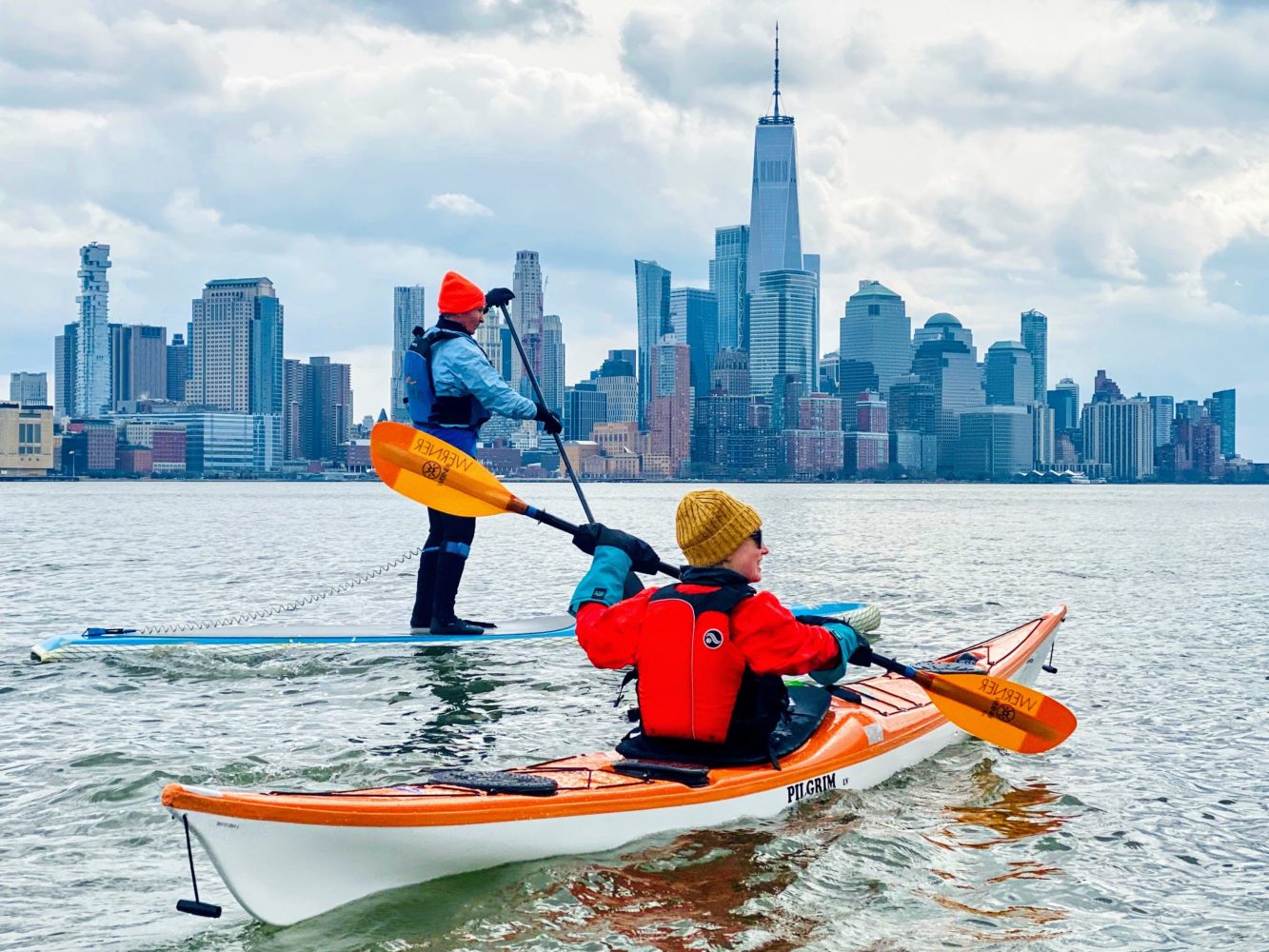
New York City Became a Genuine Paddling City
A City Rediscovered From Water Level
It’s a mountain range of steel and glass that we call skyline. We have more open space than hundreds of Central Parks, and an iconic beach all our own that cannot be reached by land.
There’s original wilderness still holding on and, eventually, paddlers find the waterfall and pristine cliffs, the oyster beach and the caverns. On our way home from a long river trip, we experience multi-colored sunsets designed for painters. Meanwhile, our lovely Lady Liberty watches over us.
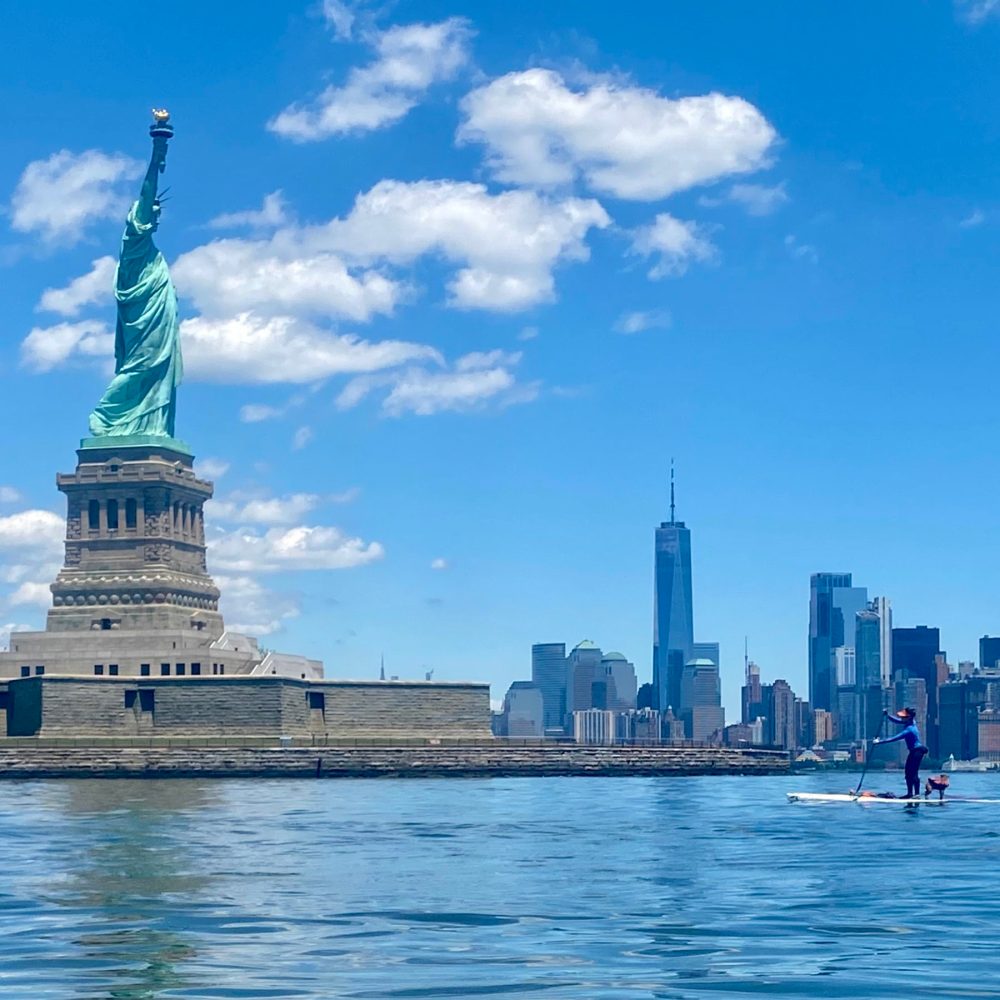
I believe NYC is the best paddling city in the USA
After paddling in Seattle, Vancouver, San Francisco, Chicago, Miami, Boston, San Diego, Los Angeles, Portland, and Anchorage, I admit I have more cities to go. And if you’re reading this from a metropolis not on my list, please let me know and I’ll eventually visit you to go for a paddle with my dog Charlie. But based on my personal experience, I can say (with a healthy bias) that NYC makes for the best overall urban paddling in North America.
Now the seals, whales, and dolphins are back in the neighborhood. Absolutely yes, you must paddle here.
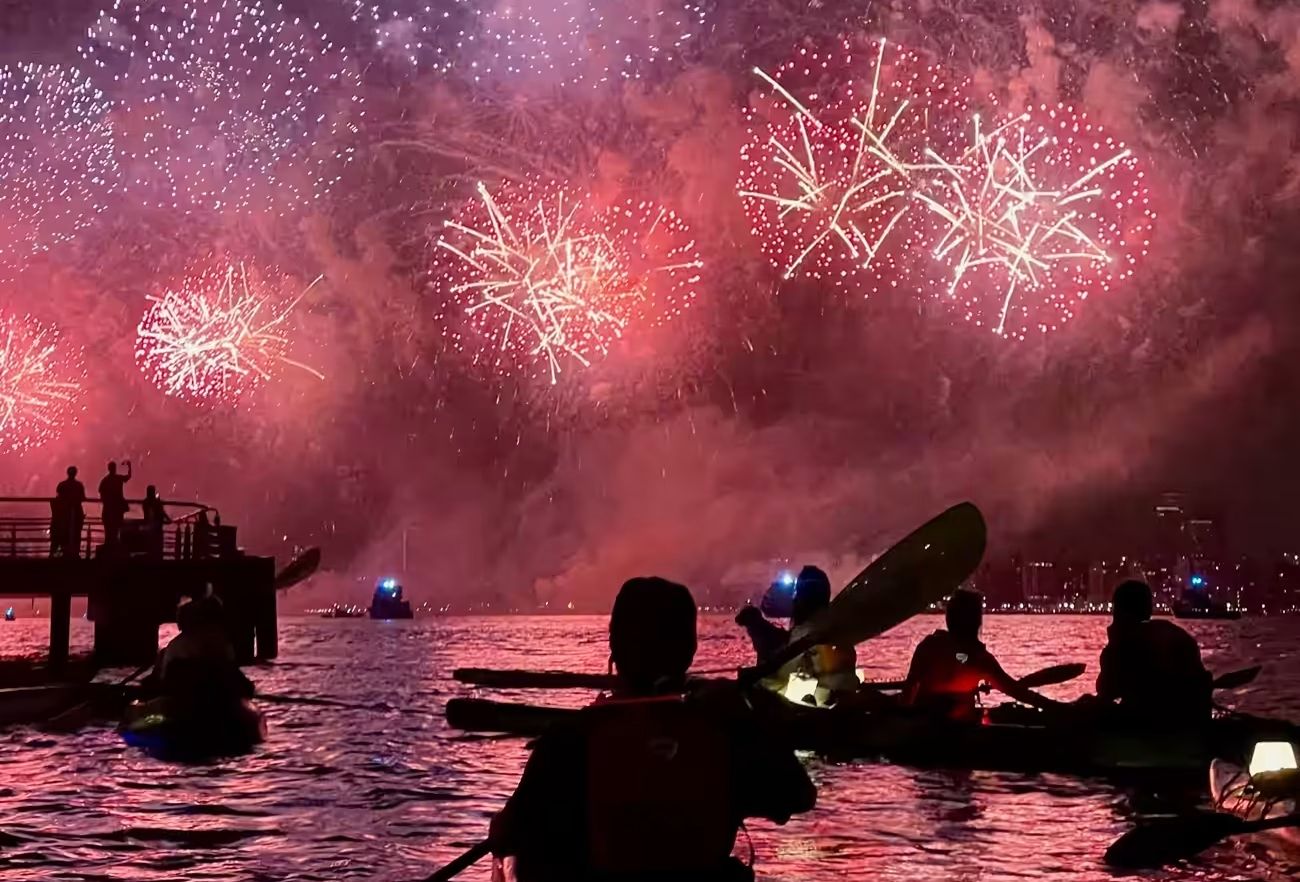
Unlike any other city in the world, we have an amphibious ecosystem of organizations with different approaches to public access. This organic ecosystem has introduced nearly a million people to our waterways in the last 30 years. Here, we have citizens reclaiming their water for recreation and community along with some other honorable species.
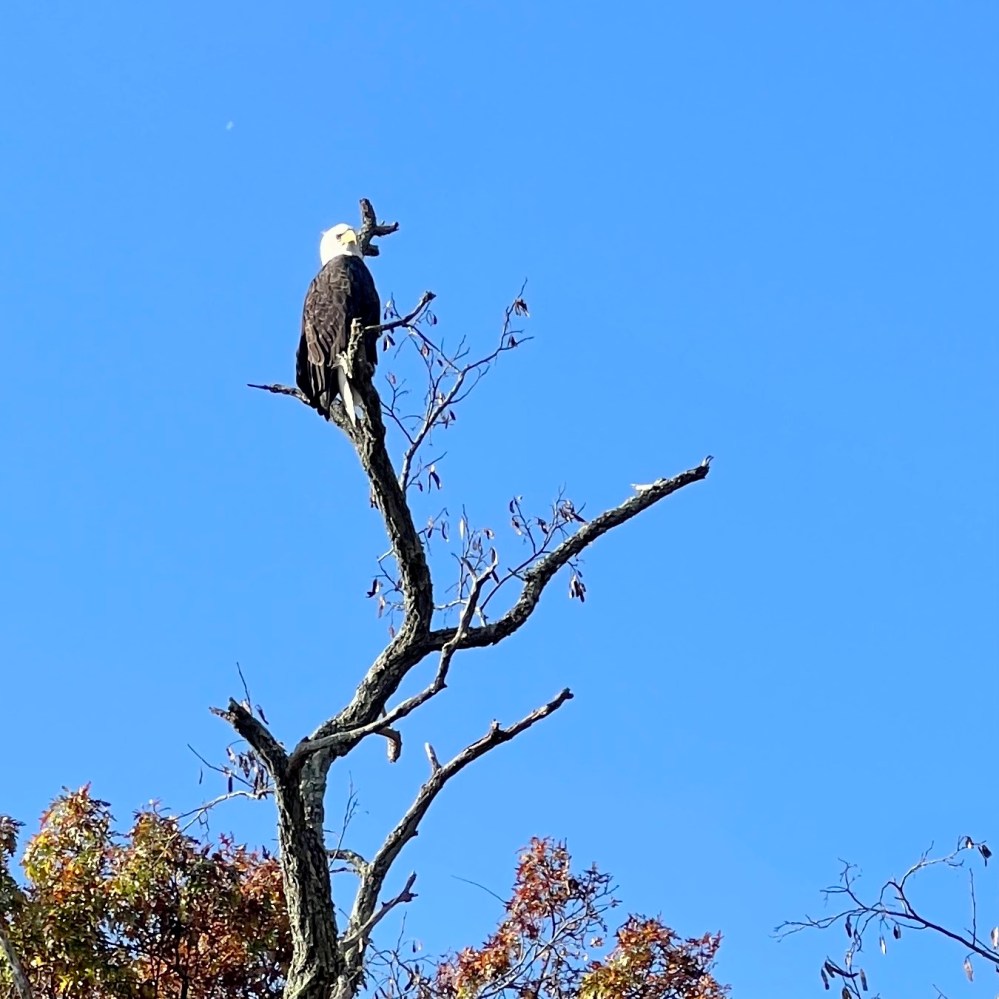
This mirrors other cities in the world whose waterways had a similar industrial experience, like London’s Thames and Paris’s Seine. For kindred spirits who find themselves plugged in and indoors, and who’re yearning for a return to nature, this is an essential elixir. It’s the “Antidote for Urban Anxiety,” as New York Magazine wrote.
My dad would have a lot more people to share laughs and seltzer with now. I’m pretty sure he’s smiling with the other pioneers who contributed to this reclamation on the other side of the rainbow bridge. Personally, I think its worth an angel wing.

After my dad closed the kayak shop and Chelsea Piers Sports Center opened, I began training kayakers from their brand new docks. From there, I built the core principles that Manhattan Kayak still uses today.
I believe in teaching people the true freedom of kayaking through progressive skill building and river trips. This way, enthusiasts can become independent paddling citizens who respect other mariners, both large and small. They understand complex conditions so they can make good decisions.
The best of these citizens turn into guides who share their knowledge with the next generation of learners.
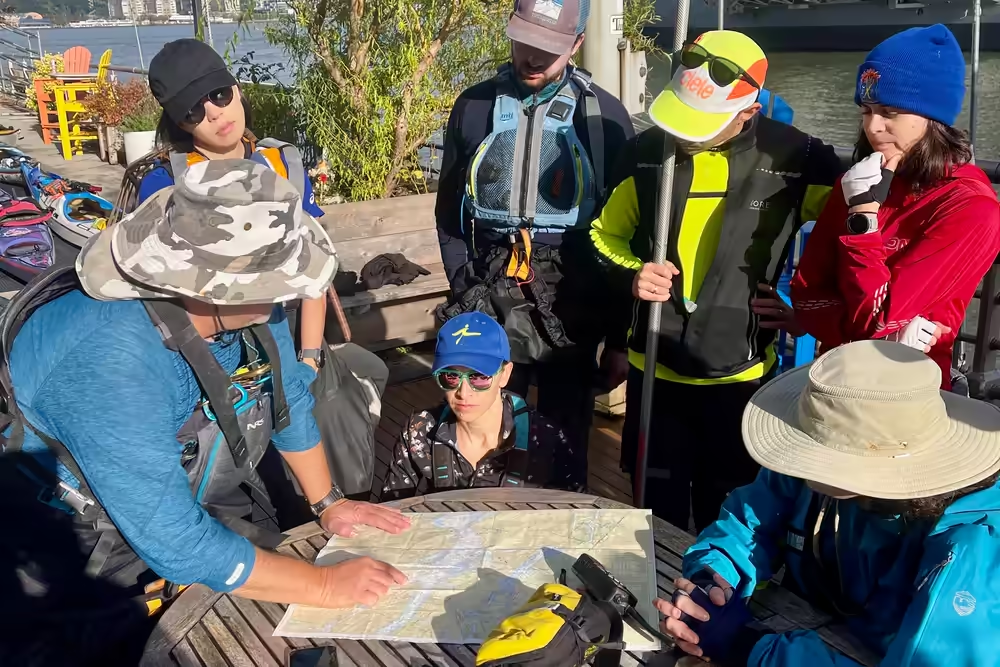
Over time, we explore the magnificent NYC waterways together. We share the joy of paddling. We teach people to go farther and take their skills anywhere in the world.
If you’re ready to discover NYC’s forgotten treasures and the discover freedom for mind, body, and soul, I invite you to join us for our 30th season!
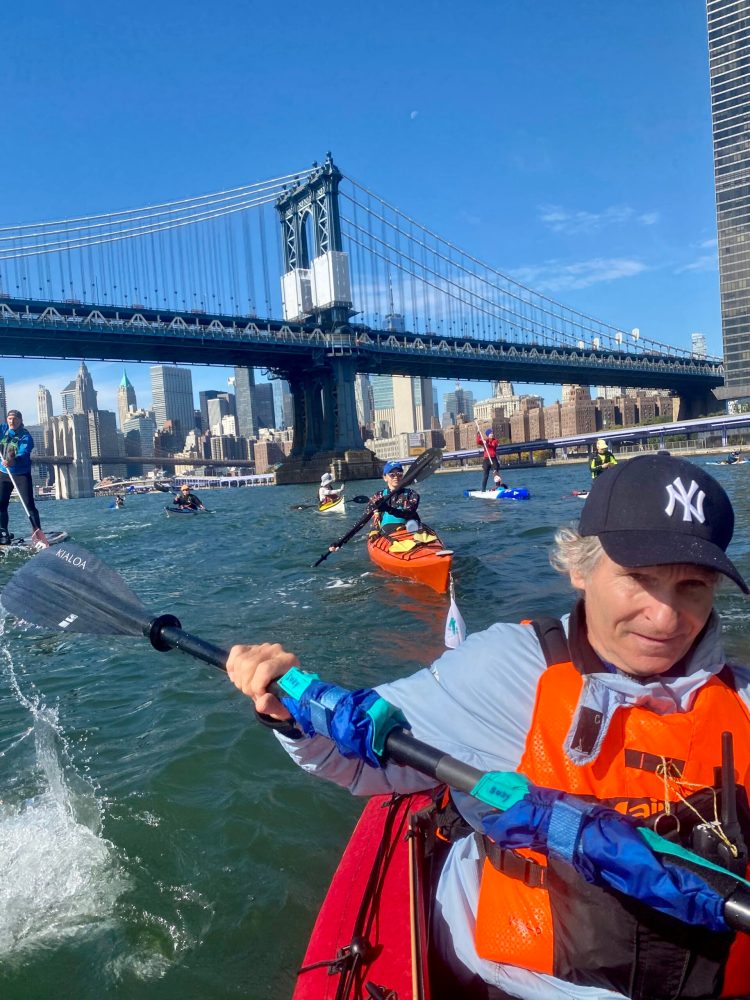
Cue the Sinatra:
Start spreadin’ the news
I’m leavin’ today
I want to be a part of it
New York, New York…
If I can make it there
I’ll make it anywhere
It’s up to you
New York, New York!
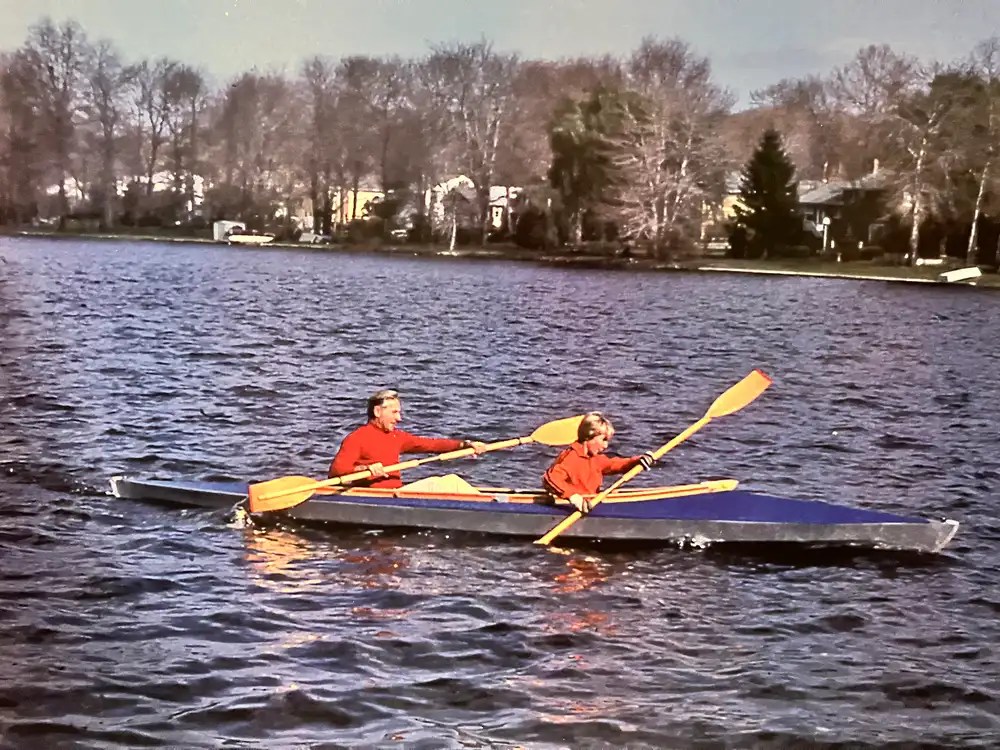
Thank you Dad, for teaching me how to kayak, so I could share with others how great paddling really is!
Thank you to the thousands of New Yorkers who fought for so long to bring the NYC waterways back to life, to give us the freedom to enjoy them this way again. This includes the thousands of people who allowed Manhattan Kayak to serve NYC with these experiences for 30 years and counting.
Yours Truly,
Eric Stiller
June 1, 2026