Inflatable Paddleboards: 30 Years of Lessons From New York City
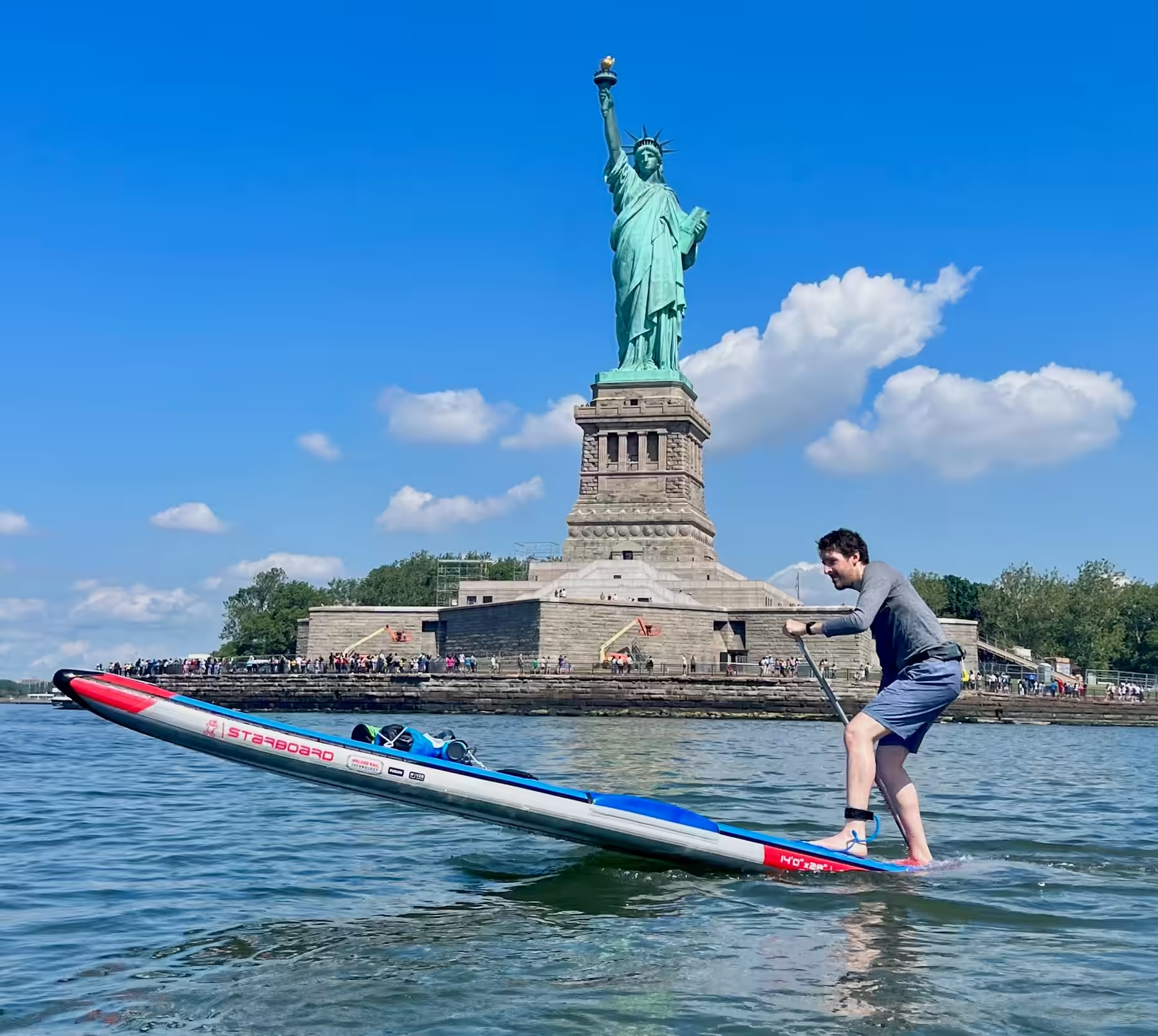
Before you press “Buy Now” on that inflatable paddleboard, I’d like to talk to you first.
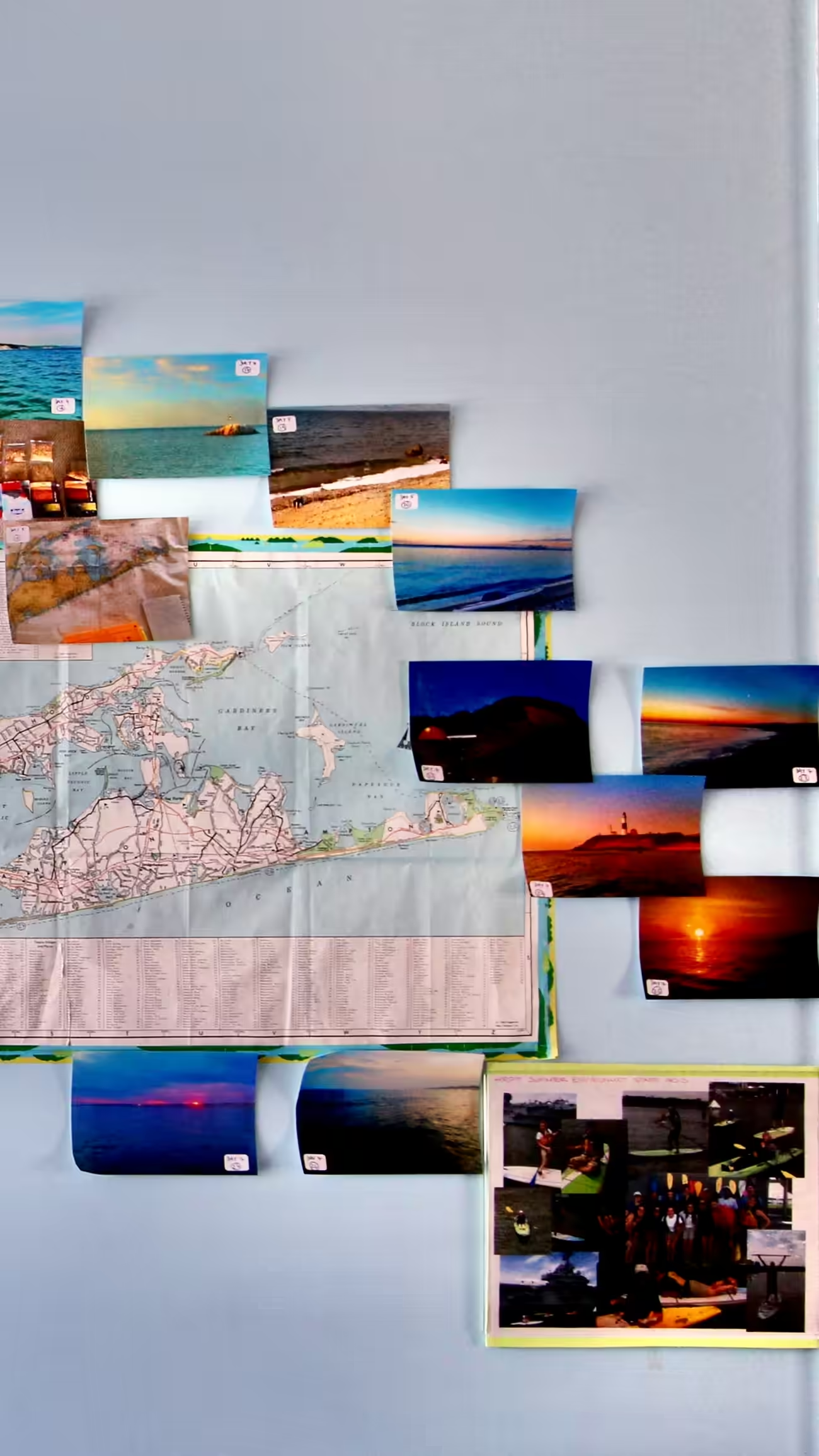
I’ve watched people take their first stroke on the Hudson and eventually paddleboard all the way to Florida, the entire Erie Canal, and circumnavigate Long Island. Self-supported camping trips for days or weeks at a time.
I founded MKC 30 years ago. In that time, our team has worked with over 100,000 people, taking them from their first stroke to places they never imagined. We don’t sell gear, take kickbacks, or use affiliate links. This is our ikigai.
The Water-Lover’s Choice
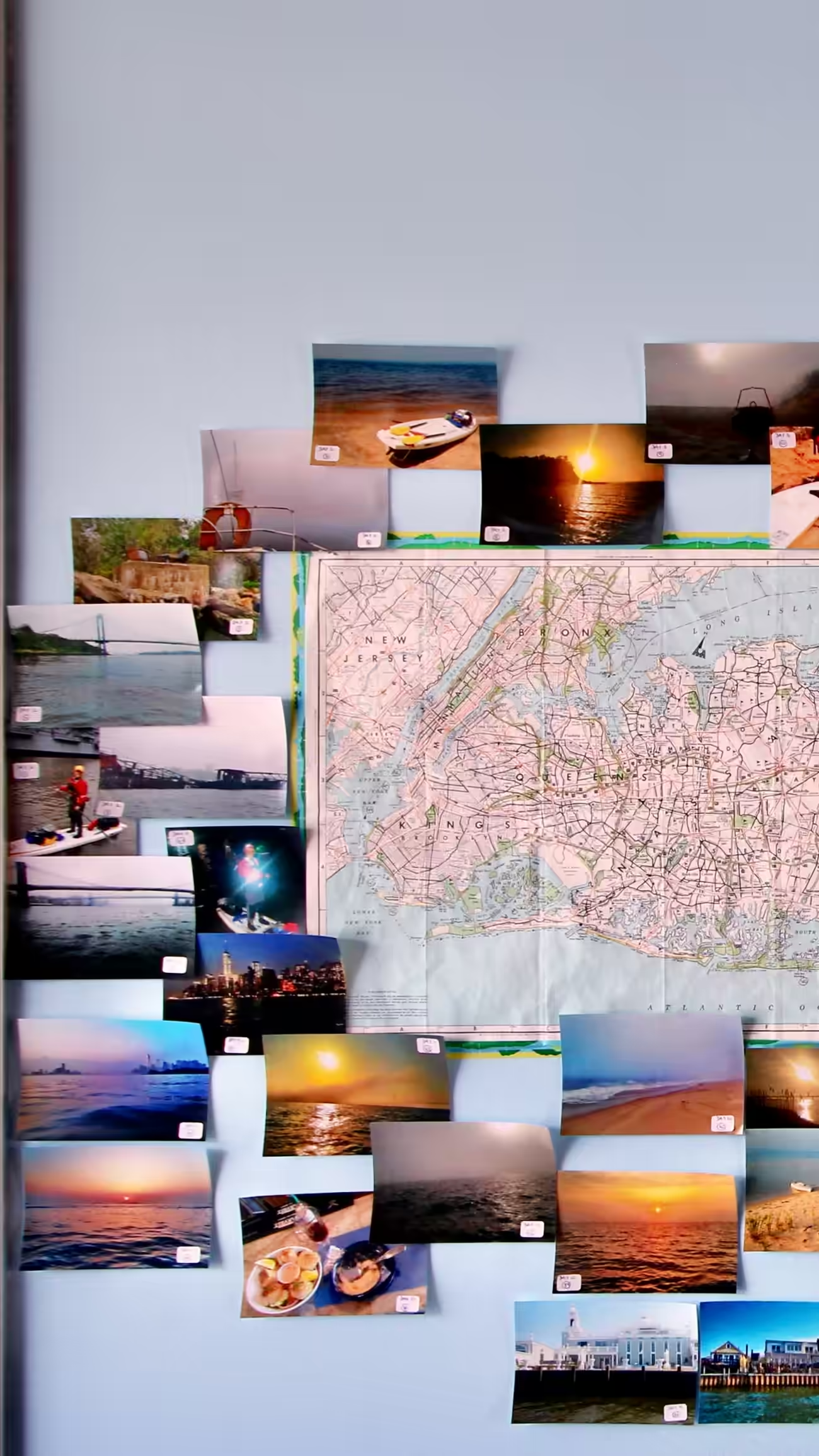
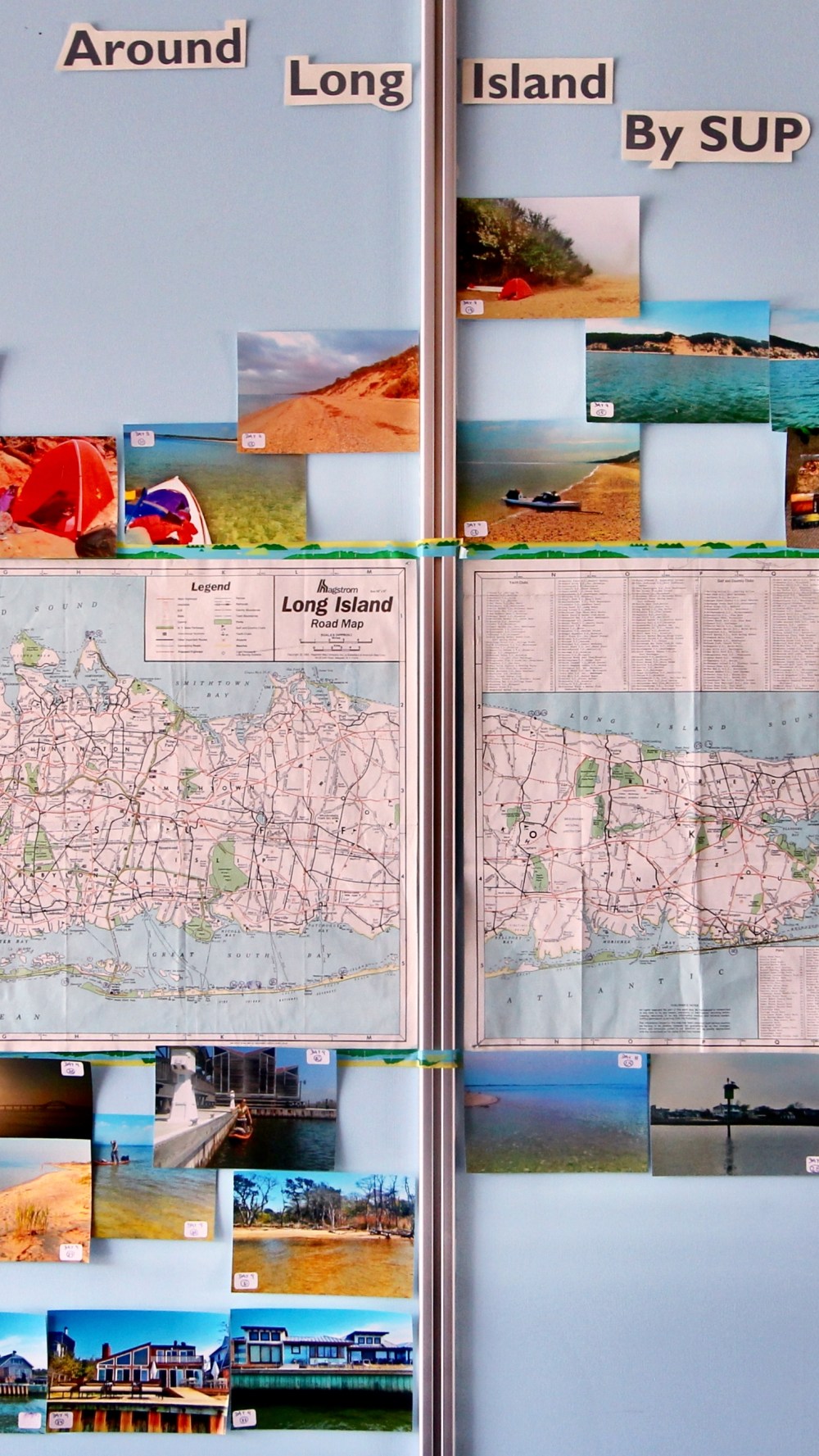
In the past decade, I can think of a dozen people in our community who bought inflatable paddleboards (iSUPs). Legitimate gear from bonafide brands–not off Amazon. Even so, none of those boards are being used anymore. Once you’ve spent real time on both, hardboards win: they’re fast, stable, and dependable.
Read the Gauge
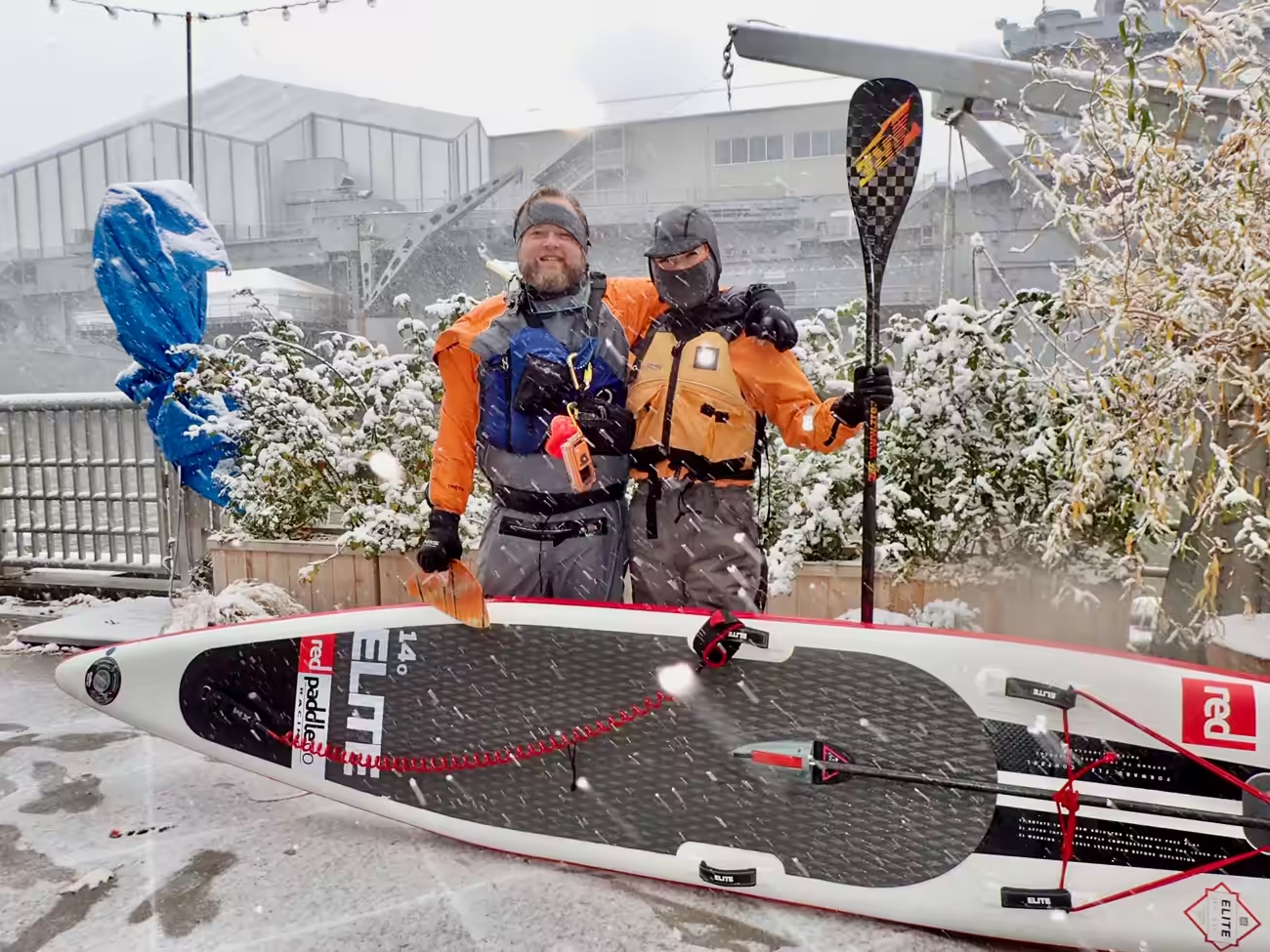
A more rigid platform unlocks the full potential of your innate balance.
Here’s what inflatable boards actually do in real conditions: They flex. When you’re standing on an inflatable, there’s a subtle reverberation underfoot. That feeling makes you unstable in a way that compounds the small challenges the water throws at you.
Most inflatables are designed for 15 PSI or higher. Most people stop short of that because they ignore the pressure gauge, think the board feels hard enough, or get too tired of pumping with their standard single-barrel pump. However, if a board is under-inflated, it turns smalls bumps into inexplicable nuisances.
The 20 PSI Rule
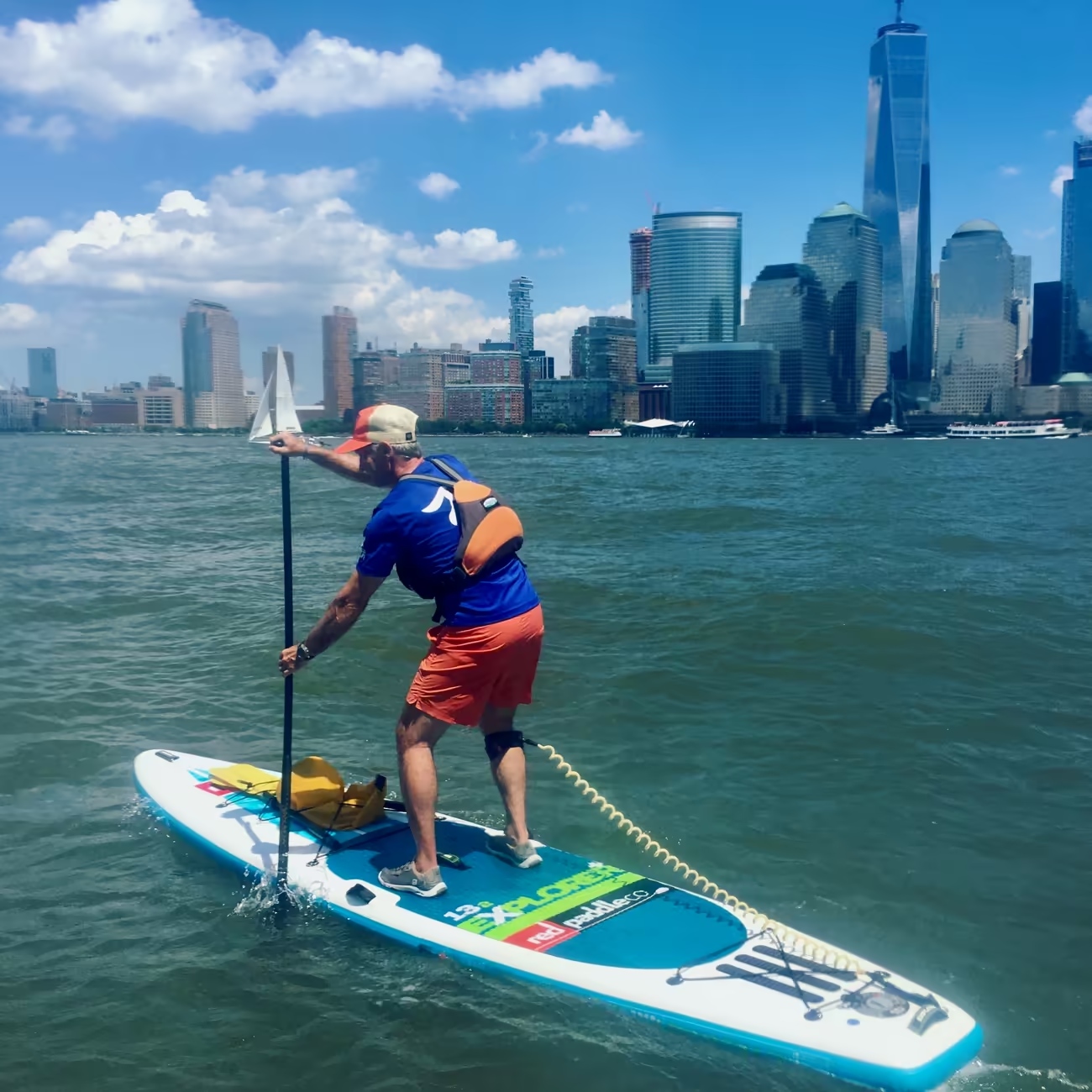
The Red Paddle Co 13’2”. They don’t make this specific board anymore, but it remains my benchmark for travel expeditions.
Most people obsess over board length and width, but the real secret to stability is PSI. If a board isn’t engineered to hold at least 20 PSI, structural flex will fight your balance and make the board feel like a marshmallow.
Don’t buy that board with 10.5K five-star reviews and a sub-$500 price tag. It only goes up to 17 PSI. Craftsmanship matters and Red Equipment is the dog’s bollocks. They’re leading the way with double-drop stitch construction and an outstanding double-barrel pump to easily get the pressure over 20 PSI. Even their beginner boards ride like hardboards.
Wind and Wet Happens
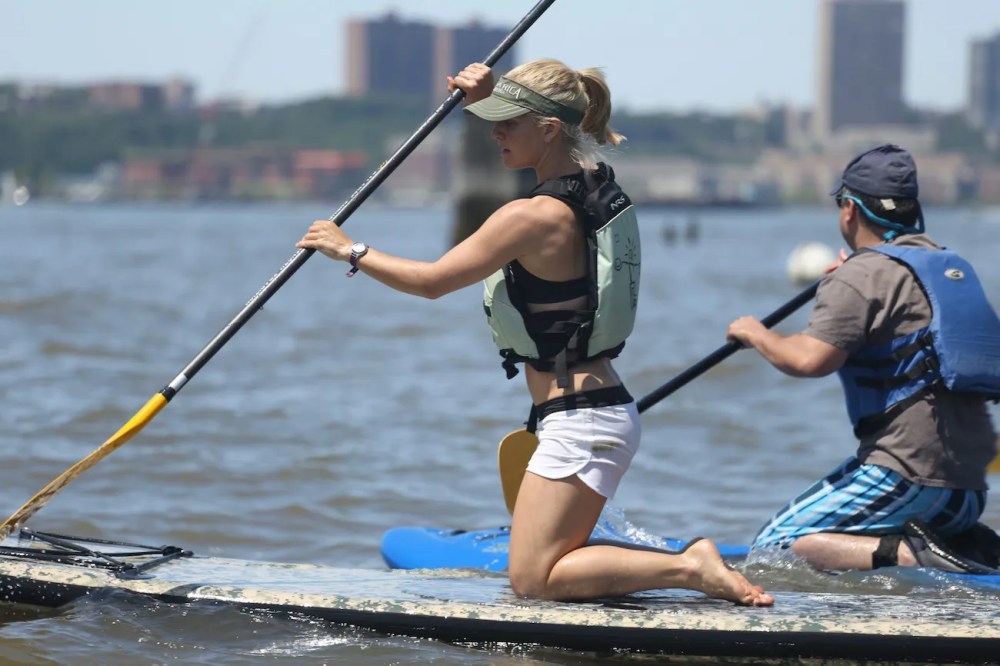
We teach you how to keep your momentum when the wind picks up.
Inflatables sit higher out of the water to stay buoyant, which means they catch side-winds like a sail. I’ve watched people deflate their boards and go home a quarter of the way through a trip because the board became unmanageable. This can happen anywhere and anytime.
There’s one more thing: When you fall off an iSUP, the board often flips with you. You can’t just climb back on; first you have to flip the board back over. So stow your gear securely under sturdy bungees. You’ll want both hands free.
The Portability Rule
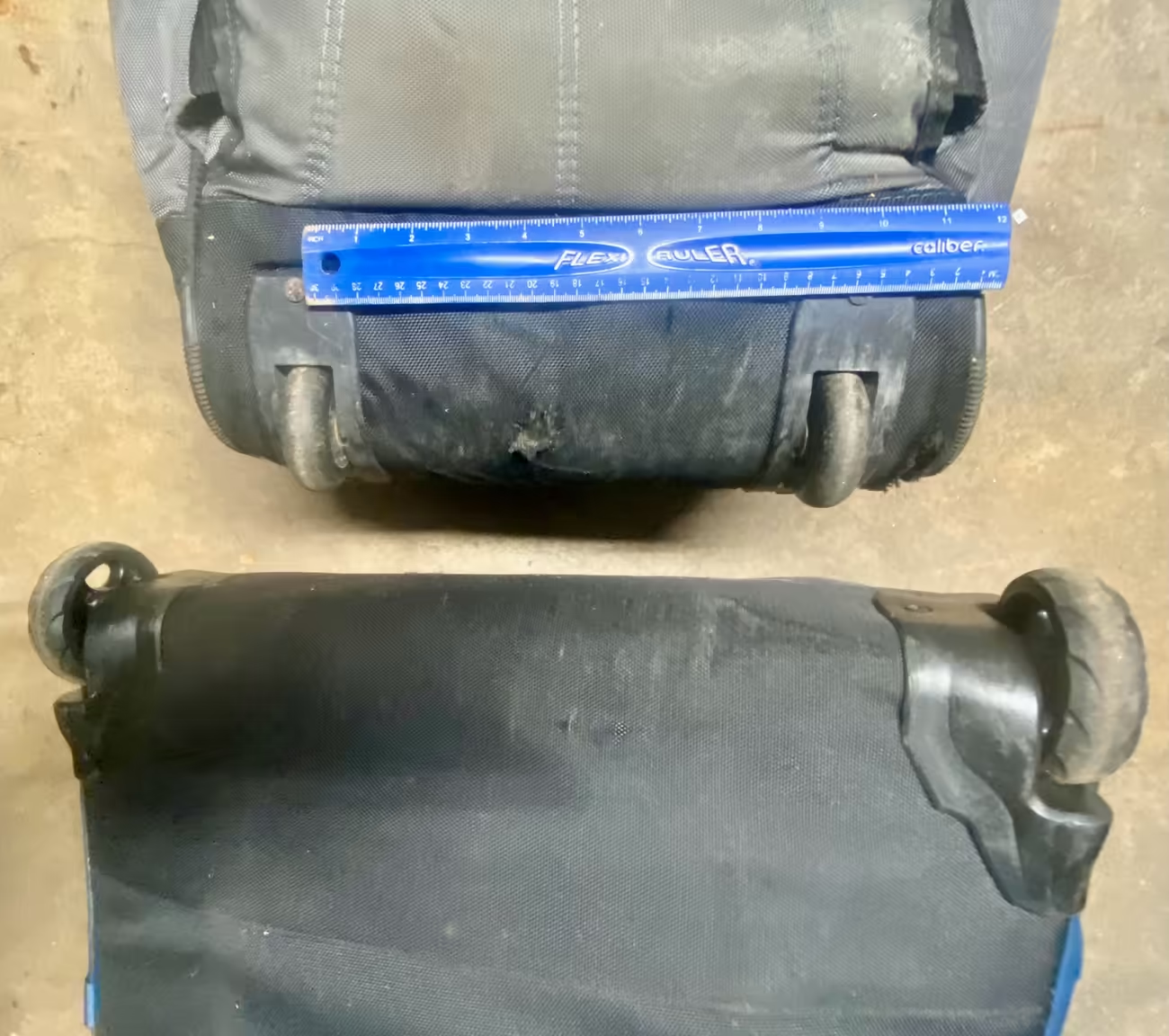
Reinforced wheel housings and wide axles: Red iSUP (top) and TRAK kayak (bottom). Built to move 30lb of bulky gear.
If a paddleboard bag doesn’t have wheels, it isn’t portable. Lugging 3-foot-tall, 30lb rectangular luggage is a dealbreaker.
A proper wheeled bag—like Red’s—is non-negotiable for anyone who travels. I’ve taken both of mine on trips I’ll never forget. If it doesn’t roll, it stays home. That board with 10.5K reviews: the listing hides the bag. It has no wheels!
The Skinny on Sizes
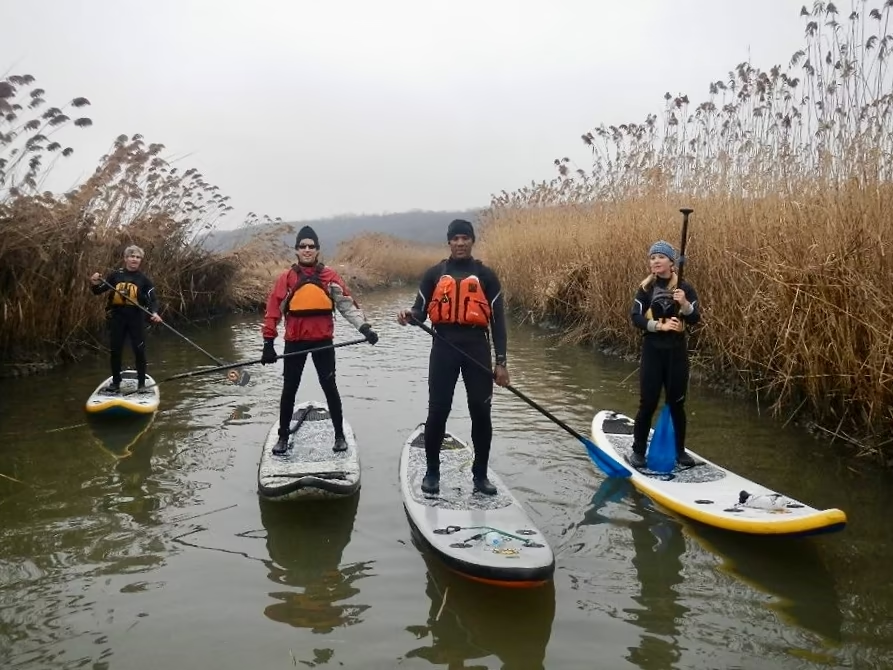
The ‘comfort fit’ of a stable board. A wider shape lets you relax your stance and enjoy the day instead of fighting to stay dry.
Buying a board is aspirational. People almost always go narrower than they should. How many times have I seen it?
It’s the same thing as buying too-tight jeans: An inch too small and you won’t want to wear them. They sit in the closet, quietly mourning last year’s goal. Get a relaxed fit, and be comfortable. You actually want to get on and move!
Just one or two inches too narrow is all it takes to go from relaxed to paralyzed by the fear of falling. (And try adding a dog to that equation.) When people have a bad run just starting out, their fledgling enthusiasm disappears. So buy wider and have fun for a long time coming. If you don’t know what size works for you personally, don’t Buy Now.
Sober Truth on Plastics
Most SUPs are final sale the moment they touch the water. If you buy the wrong one, you’re subsidizing a cycle of petroleum-based waste. Sequestered to the Island of Misfit Toys (aka the closet), it eventually moves to the dumpster.
Because these boards are made from bonded PVC and seven different plastics, they’re nearly impossible to recycle. That’s 30 lbs of landfill that’ll break down into microplastics for decades. So instead of buying one, why not borrow one?
The most expensive gear is the stuff you use once.
The 60-Degree Rule and Gear Backstop
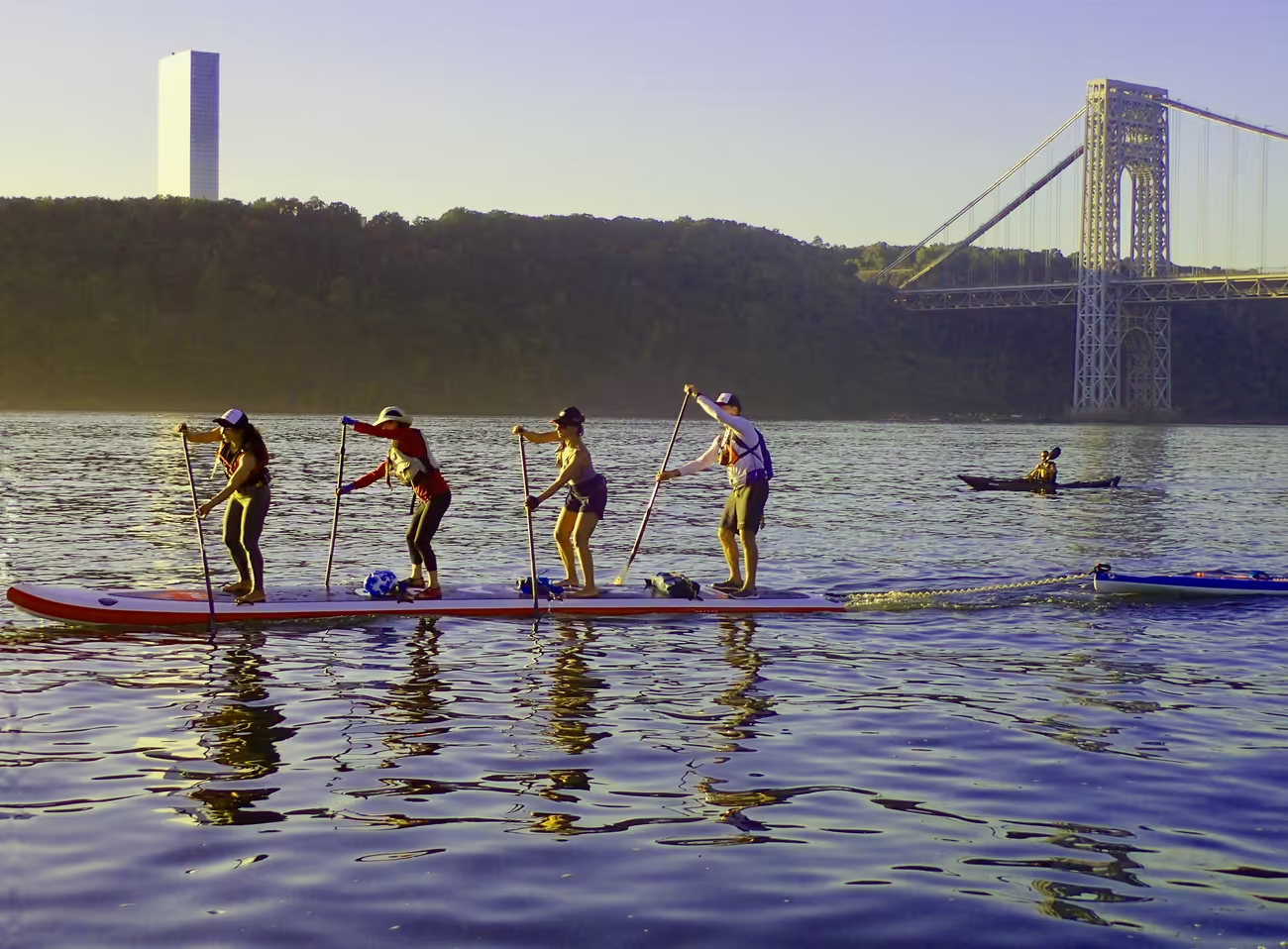
The right gear turns a potentially long swim into a quick dunk.
Before we talk recommendations, let’s talk survival. You need a PFD and a leash. Always.
- Foam Life Jackets vs. Belt Packs: For anyone with under 20 hours of experience, or in urban or cold waters (sub 60°F), wear a foam PFD. We love NRS’s Ninja for its full range of motion, sleekness, and pockets.
- Fall with a Leash: Newton’s Third Law of Motion in action. When you catapult off the board, the board kicks in the opposite direction. With a leash, the board recoils back to you. Without one, it skids away, leaving you stranded.
- 60-Degree Rule: Look up the water temperature. If it’s less than 60°F, you need a wetsuit. If it’s less than 50°F, you need a drysuit. Cold water incapacitates fast. Dress for the water temperature, not the air.
Before You Buy: Spend 20 Hours on the Water
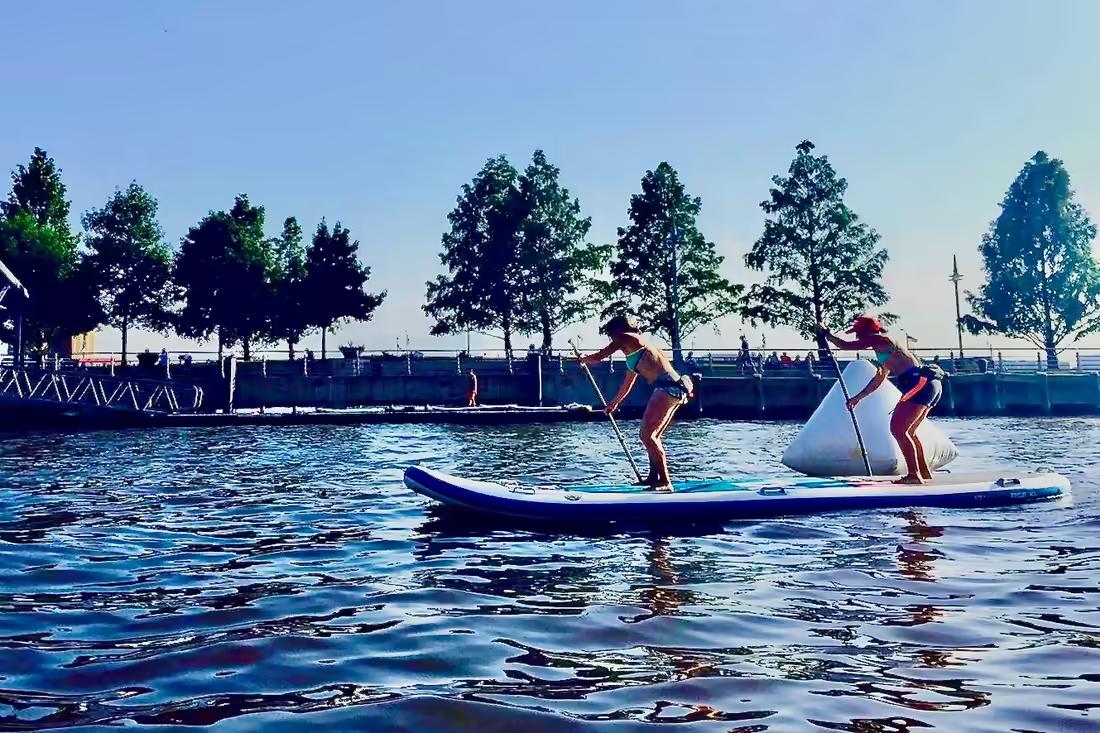
Gear is easy to get; the skill to use it is the real get. Before you buy wrong gear based on websurfing, put in the time trying real surfing–even tiny bumps. At Manhattan Kayak, we’ve found that 20 hours is the magic number where a physically fit and persistent person moves from first strokes to confidence (mastery comes later). Some realize they prefer kayaking.
Didn’t dig it? Be relieved you didn’t buy it.
How do you enjoy it? Learn. It starts with our three progressive classes (7.5 hours). From there, do some treks on real water for a few miles at a time. Aim for 20 hours in varying conditions–like wind–before finding the one you’ll marry.
You’ll find the point where you stop being a passenger and start having your own opinions on what fits you and your goals.
Come find us at Pier 84 Boathouse near West 44th St and the Hudson River. We’ll put you on the water. I won’t try to sell you anything…except for adventure.
–Eric Stiller
Founder, Manhattan Kayak
Text me if you have questions.
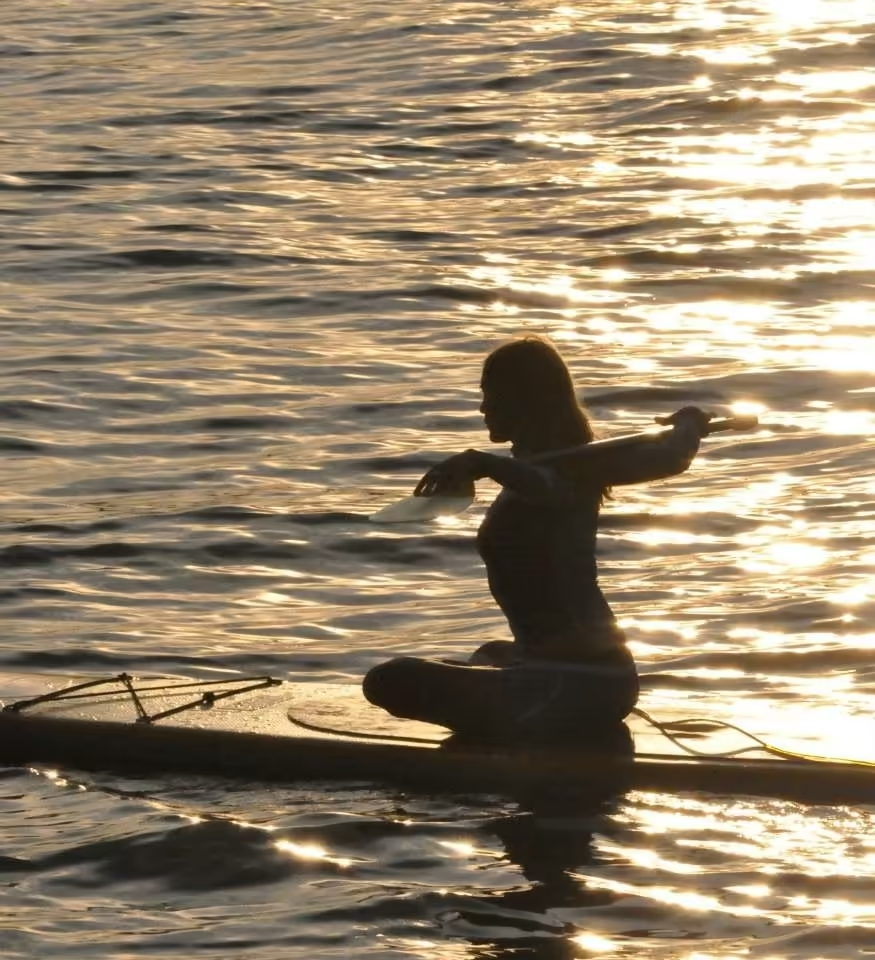
Every Wednesday night, we do laps. Then, we’re bathed in liquid gold. Most New Yorkers overlook this because they assume the water’s dirty—leaving the bliss entirely to us.